


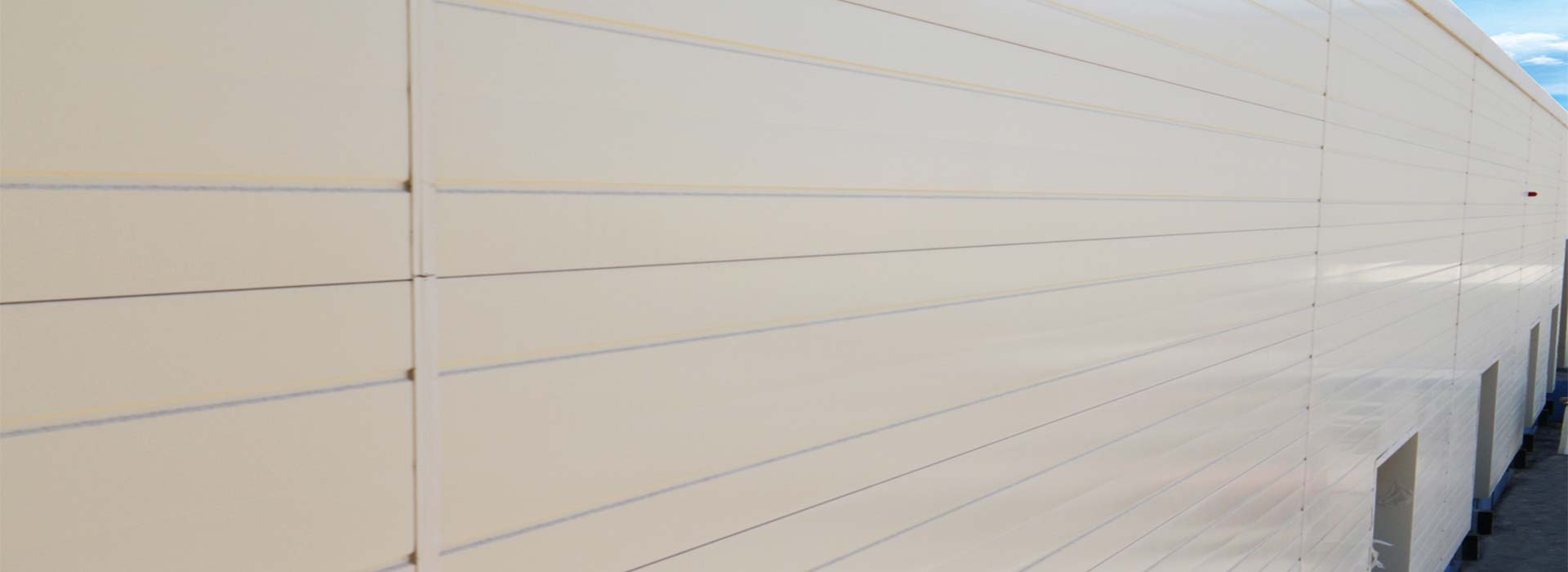
Insulated Sandwich Panels by Leading Sandwich Panels Manufacturer
Get a Quote, Today!
* RequiredExplore Our Products


Corrugated Insulated Panels
Explore our FM approved corrugated roof panels with PIR and Rockwool insulation.
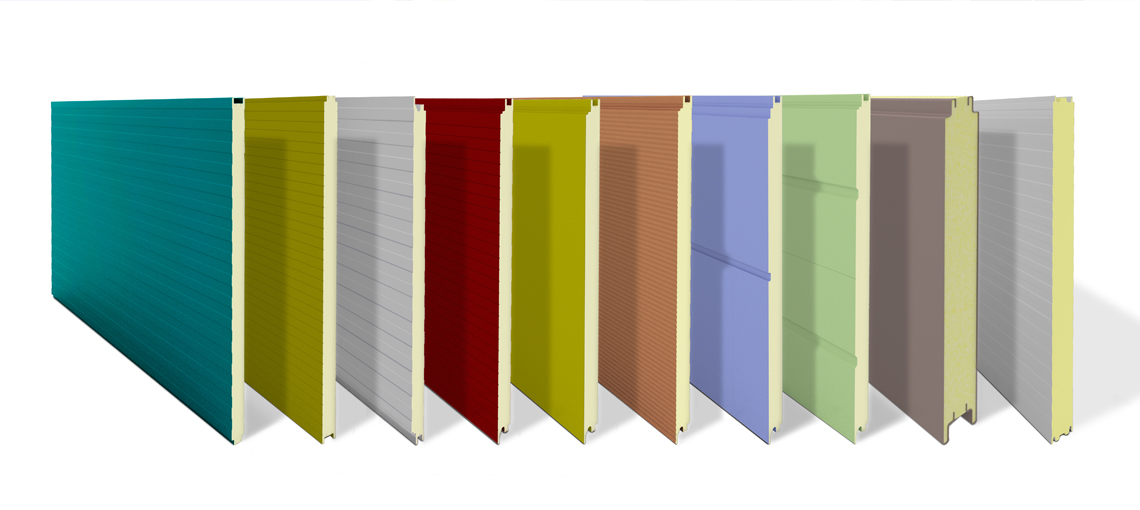
Architectural Wall and Roof Sandwich Panels
TSSC Architectural Insulated sandwich panels with a hidden-fix joint system can be laid vertically or horizontally providing an aesthetic appearance to the building. Our insulated metal wall panels also provide excellent thermal insulation and resistance to fire. Explore our extensive range of high performance sandwich panels.
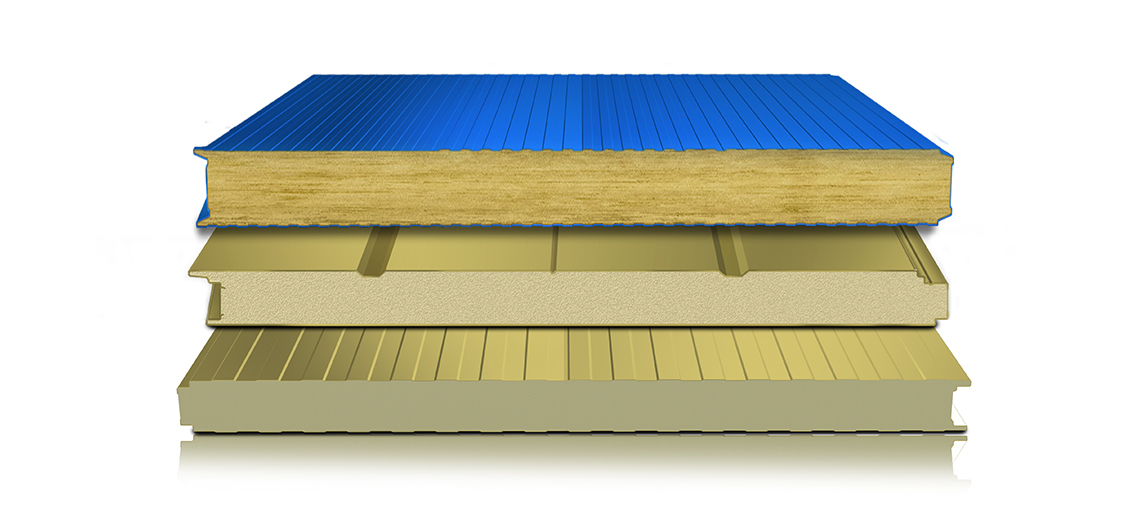
ISO Wall Panels
Explore our range of FM approved insulated flat wall panels to meet the most demanding requirements and can be installed vertically or horizontally.
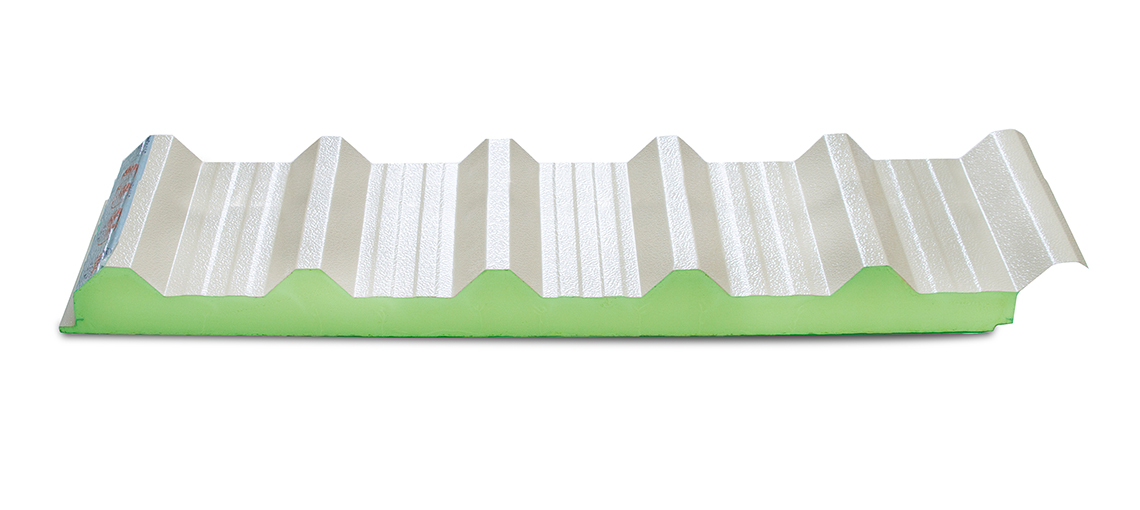
ECOPANEL
Cost- Effective, Durable, Lightweight and an Eco-Friendly range of high-performance roof panels that build weather-tight and energy efficient roofs, ideal for new and retrofit roofing in industrial & commercial buildings. TSSC Eco Series Panel is part of our Building Systems Solution and is the next-generation of affordable and energy efficient panels. With the complete building system, you can build a weather-tight, super-insulated roof.
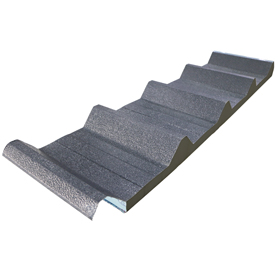
TUFF PANEL
TUFF panel is an innovative metallic textured technology panel with improved durability and strength which also improves the aesthetics of the building envelope.

Single Skin Cladding
Explore a range of profiled sheets for roof and wall cladding such as internal linings and external cladding of industrial buildings.
High-Performance Insulated Sandwich Panel Solutions
Insulated sandwich panels are widely used as part of modern building envelope systems to enhance thermal performance and energy efficiency. They help control internal temperatures, minimize heat transfer, and provide a lightweight yet durable solution. They are commonly used in applications where internal environmental control is essential, rather than just forming the outer structure. This is why the choice of sandwich panel manufacturer plays a key role.
The panel itself is simple if you break it down. Two metal sheets on the outside, one insulation core inside. That core does most of the work. It slows the flow of heat in or out. Over time, that makes a difference inside the building, especially in spaces that need stable conditions.
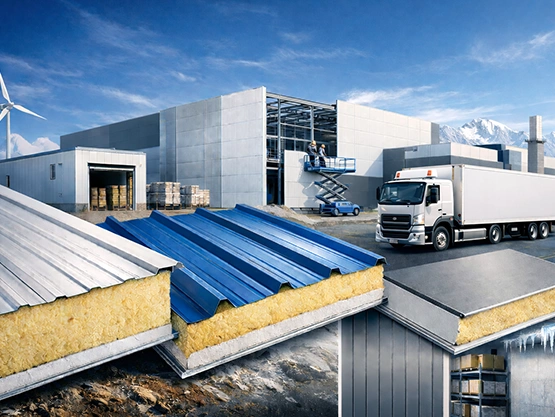
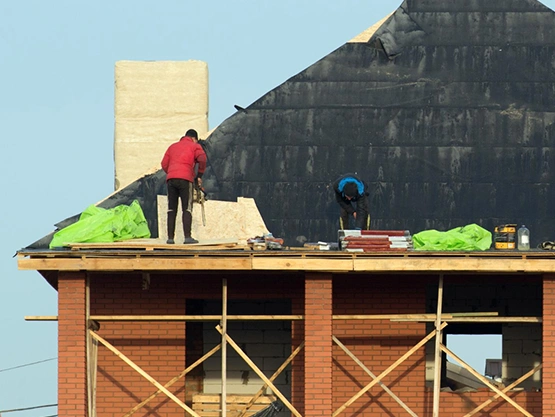
One thing people notice early is how fast these panels go up. Traditional construction takes longer and involves more steps on-site. With sandwich panels, a lot of the work is already done before delivery. Installation becomes more about fitting than building. That saves time, and in many cases, avoids delays.
Durability also plays its part. The outer layers handle weather exposure. The core stays protected and continues to perform without a significant drop in efficiency. This is why the same panels are used across warehouses, factories, cold storage units, and even commercial buildings, where internal comfort matters more than it seems at first.
Key Advantages of Insulated Sandwich Panels
When you compare insulated sandwich panels with traditional materials, the difference shows up in actual use. Some benefits are obvious right away, while others show over time:
 Good thermal insulation that helps maintain internal temperature without constant system load
 Faster installation, since most of the work is completed before panels reach the site
 Lower energy usage because less heat transfer means less strain on cooling and heating
 Lightweight panels that are still strong enough for structural use
 Long service life with limited maintenance needed once installed
Applications of Insulated Sandwich Panels
Not every building has the same requirements, and that is where these panels stand out. They fit into different use cases without needing a complete redesign each time.
Warehouses use them to keep stored goods protected from outside temperature changes. In some cases, it is not about comfort but about preventing damage to materials inside.
Factories rely on them when internal processes need controlled environments. Even small temperature changes can affect production, so insulation becomes part of the setup.
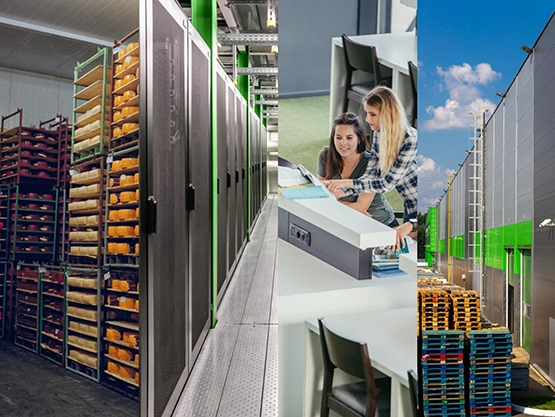
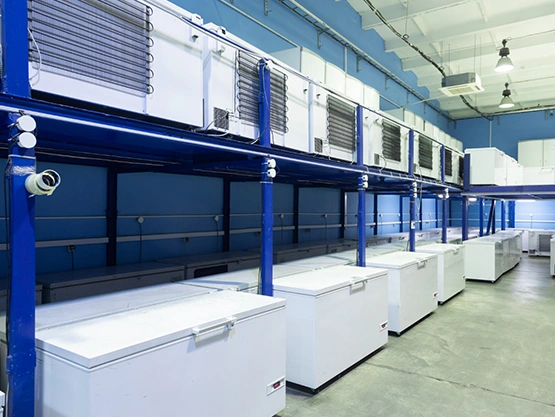
Cold storage facilities depend on these panels more than most. The insulation core helps maintain low temperatures without constant strain on cooling systems. If the structure leaks heat, everything inside gets affected.
Commercial spaces also use sandwich panels, though in a slightly different way. Offices and retail spaces can also use them to maintain stable indoor conditions and reduce energy costs.
The same panels can be used on walls and roofs. That keeps things consistent and avoids mixing different systems that may not perform the same way.
Why Choose TSSC as Your Sandwich Panels Manufacturer?
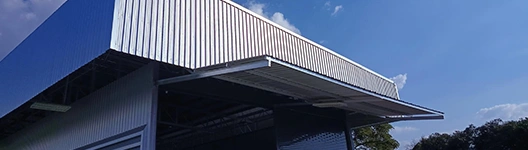
The manufacturer you choose affects more than just supply. It affects how well the panels perform once installed. TSSC handles production in-house. That keeps control over materials and consistency. There is less variation than sourcing from different vendors, which can sometimes lead to mismatches in quality.
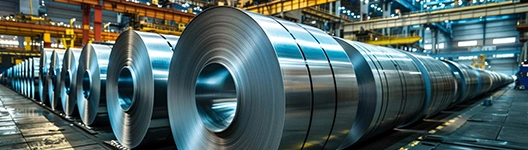
The panels meet international manufacturing standards. This includes selecting materials, bonding layers, and applying finishes. Each step is checked, not just at the end.

Customization is also part of the process. Thickness, profile, and finishes can be adjusted to meet the project’s needs. Not every building requires the same setup, so flexibility matters here.
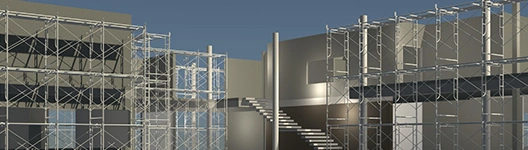
There is also experience across different project types and regions. Conditions vary by location, and handling that requires some practical understanding, not just standard production.
Manufacturing, Quality & Standards
The manufacturing stage decides how the panel will perform later. It is not just about putting materials together. It is about doing it in a controlled way. Production lines are set up to maintain consistency. Panels are formed and bonded under monitored conditions so that each one comes out similar to the next. That helps during installation because fewer adjustments are needed.
Quality checks happen during different stages. Raw materials are reviewed before use. Measurements are checked while panels are being formed. Final inspection is done before dispatch.
Standards such as ASTM, EN, and ISO are followed throughout the process. These standards define how materials should behave and how products should perform under certain conditions. Panels are also tested for fire resistance, thermal performance, and sound control. These factors become important depending on where the panels are used.
Sustainability & Energy Efficiency
 Energy use does not stop once construction is complete. It continues throughout the life of the building, which is where insulated sandwich panels start to matter more.
 Sandwich panels help reduce heat transfer. That means cooling and heating systems do not have to work as hard. Over time, that leads to lower energy use. Steel used in the panels can be recycled. That reduces material waste and supports reuse in future projects.
 It is not a complex idea. Better insulation means better control over energy use. That alone makes a difference in long-term operation.
Get Expert Support for Insulated Sandwich Panel Solutions
Every project has its own set of requirements. Some need better insulation or quicker installation. Others need a balance between cost and performance.
It helps to sort these things early. Making changes later usually takes more time and effort.
TSSC supports custom insulated sandwich panel requirements with technical input and planning support. This helps match the panels to the building’s actual use, rather than making adjustments later.
For quotations or project discussions, the next step is to reach out to the team.
Frequently asked questions
Insulated sandwich panels have a core made out of polyurethane (PU/PUR), polyisocyanurate (PIR), mineral wool (rock wool).
There are a few common ones. Polyurethane and PIR are used when strong insulation is needed. Mineral wool is chosen more for fire resistance and sound control. It depends on what matters more for the project.
They help keep temperatures stable, and that alone solves many problems in buildings. On top of that, they go up faster and require less maintenance later.
You’ll see them in warehouses, factories, and cold storage setups quite often. They also appear in commercial buildings where internal conditions must remain consistent.
Yeah, they are used for both. It is not limited to one part of the building. The design just changes slightly depending on whether it’s for roofing or walls.
They slow the heat transfer, keeping indoor conditions more stable. So cooling or heating systems don’t have to keep running at full load all the time.
Some are, but not all by default. It depends on the core material used inside the panel. Panels with mineral-wool cores usually offer better fire resistance.
They last for years if installed properly and not exposed to misuse. The outer layer protects the inside, so performance doesn’t drop quickly.
Yes, they can be adjusted quite a bit. Thickness, surface finish, and even the core can be changed. That helps match the panel to the building instead of forcing a standard option.
Start with what the building actually needs. Temperature control, fire safety, or budget. Once that is clear, choosing the right panel becomes much easier.
 Call Us on :
