


Cold Storage Panels
Get a Quote, Today!
* RequiredExplore Our Products

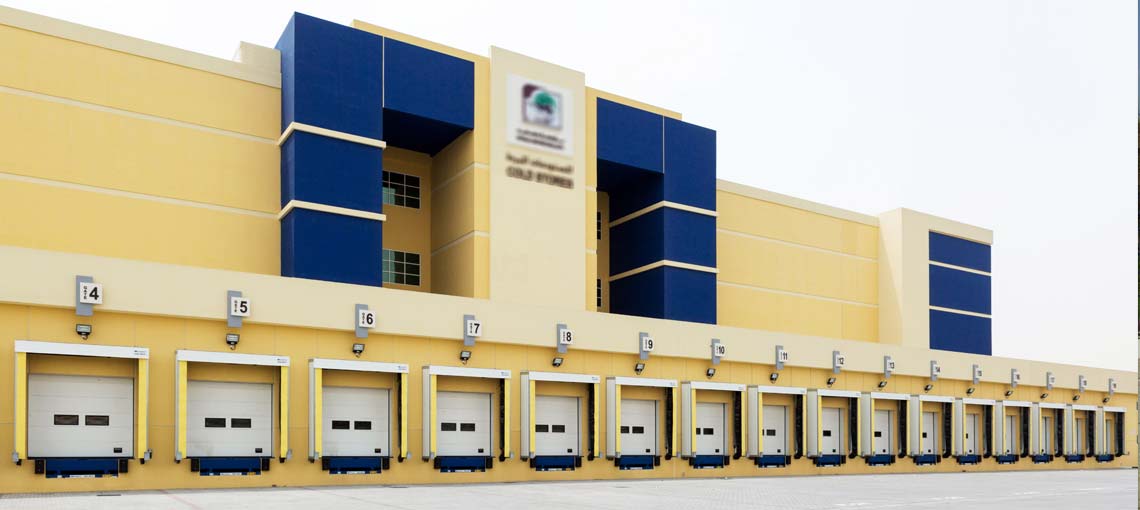
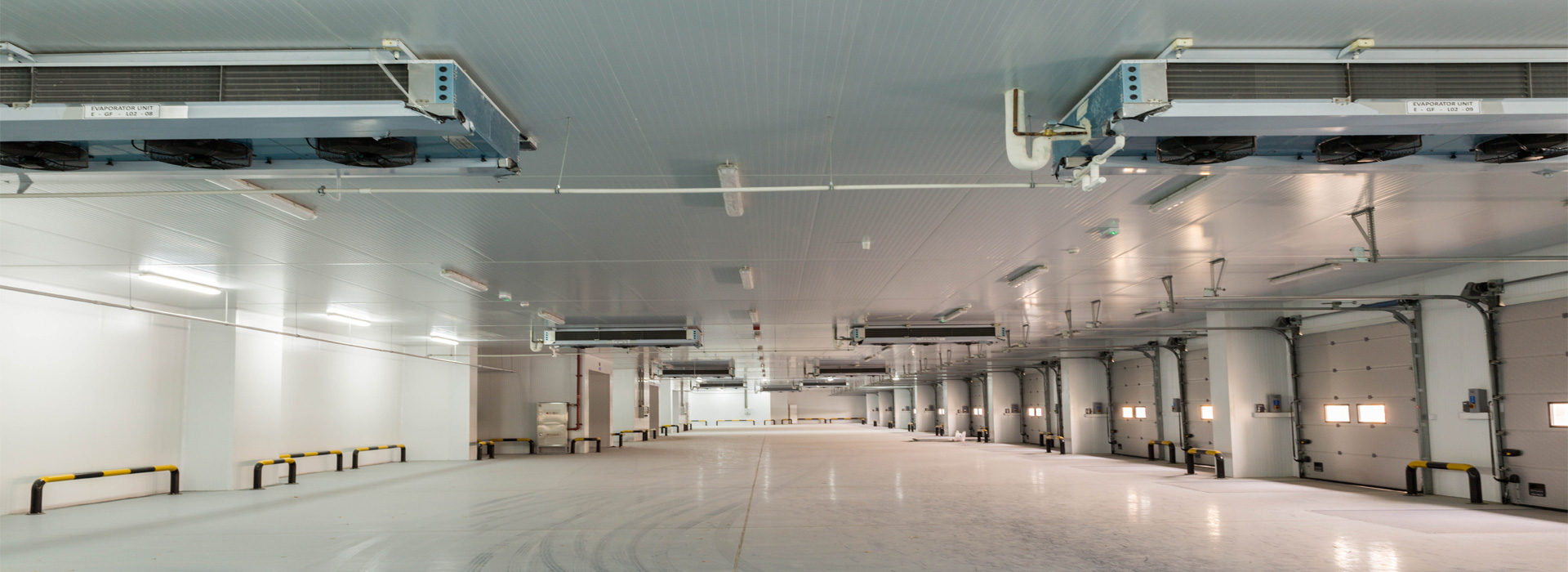
Warehouse Cold Stores
Energy efficient and reliable temperature controlled cold storage warehouses are integral in preserving the quality and safety of temperature-sensitive products. TSSC delivers comprehensive cold storage warehousing solutions, with continuous advancements in refrigeration and cold store panel technology leading to efficient and sustainable solutions for food & beverage manufacturing industries, dairy plants, meat & seafood processing plants, horticulture and pharmaceutical facilities.
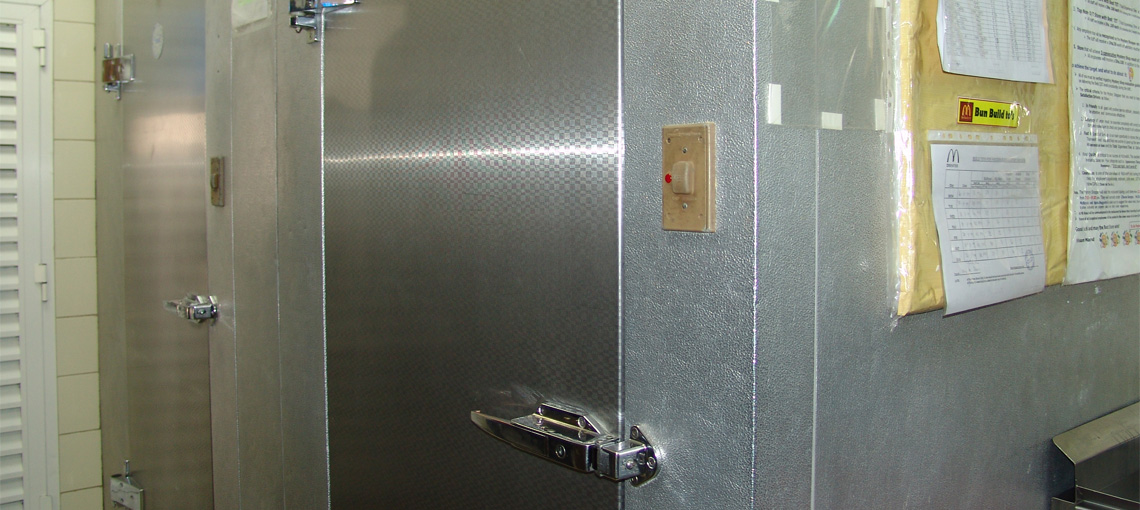
Walk in Cold Room
Walkin cold rooms are crucial for preserving the quality of the stored foods in restaurants, hotel, food shops and supermarkets.
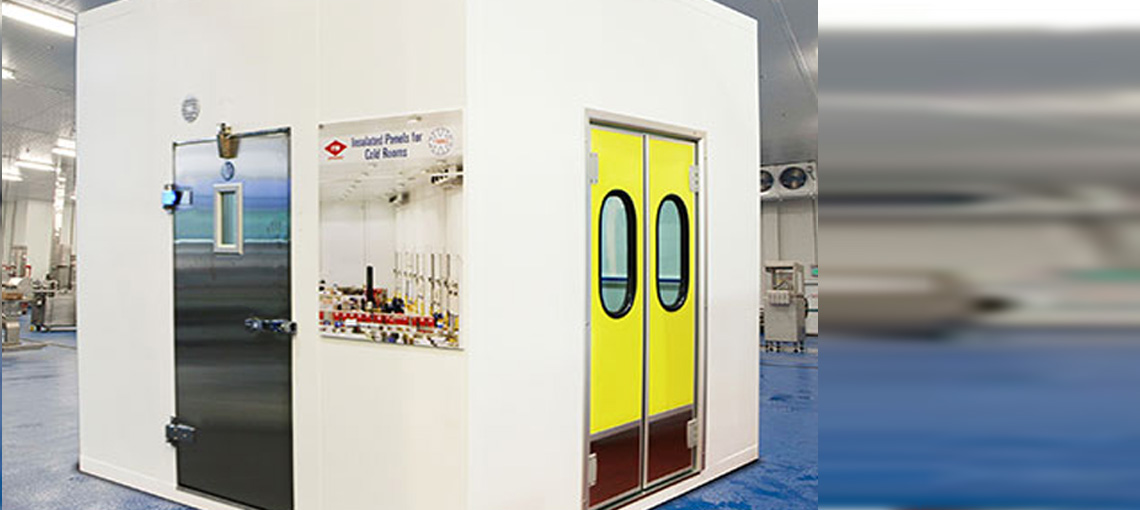
Skid Mounted Cold Rooms
Portable cold room units built on a strong steel base unit to be used as mobile refrigeration systems.
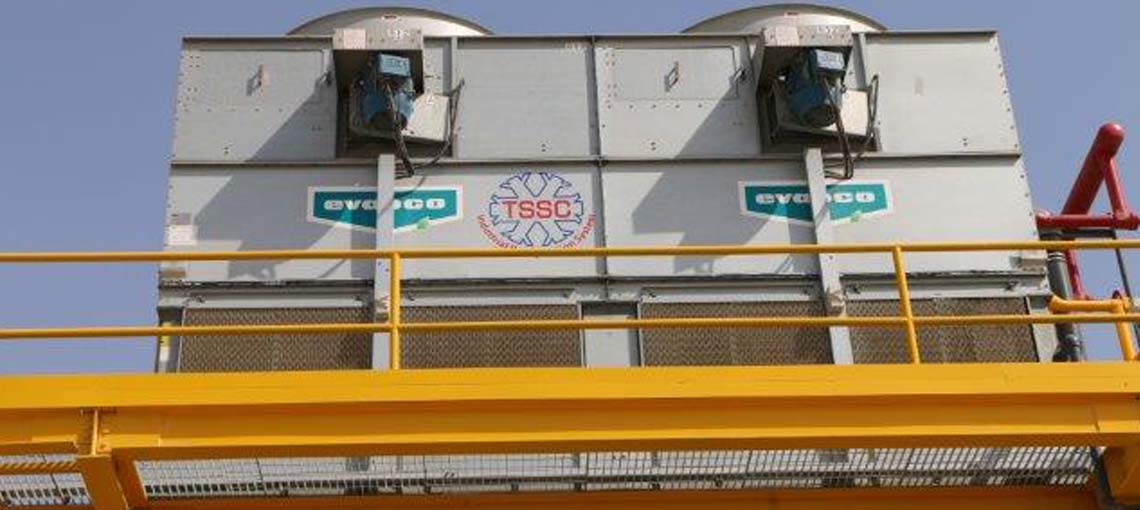
Refrigeration Systems
Customized turnkey solutions for cold storages and refrigerated warehouses, to sustain special low temperatures.
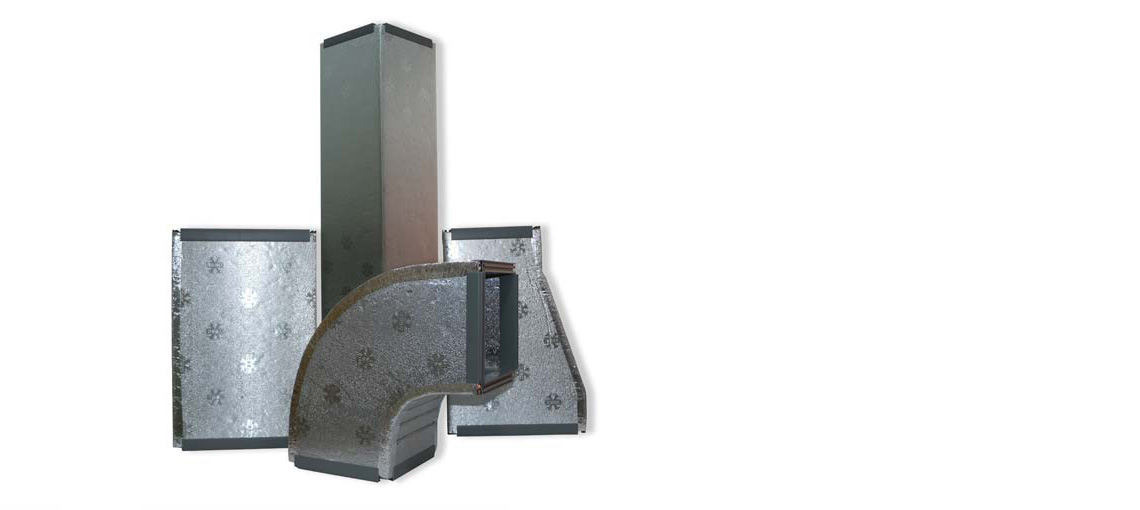
Pre-Insulated DuctWork
HVAC duct panels are suitable for heating and cooling applications, ventilation systems and ductwork.
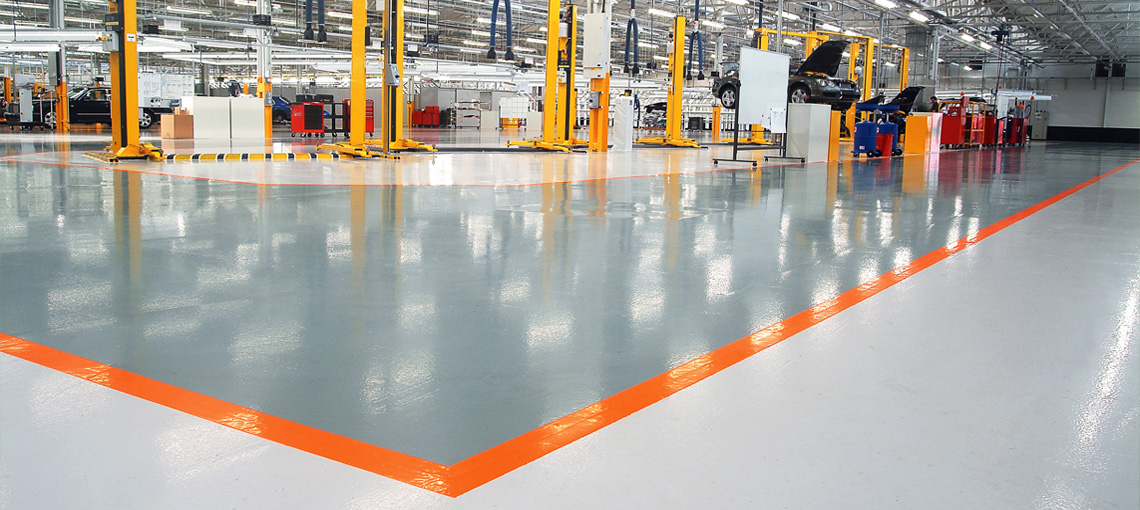
Polyurea Flooring
Flooring for cold storage rooms such as large walk-in freezers and coolers.
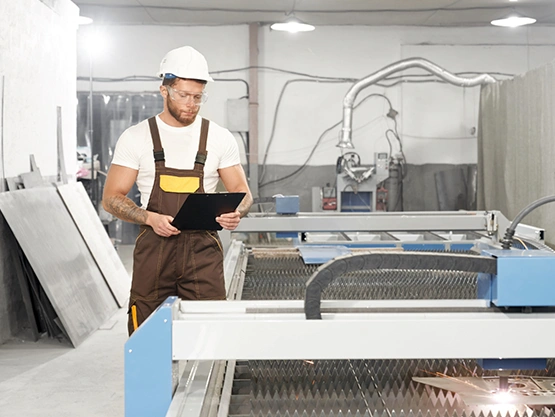
At the center of these systems are insulated panels that form the structure itself. These panels do more than close off space. They help maintain internal temperature, reduce heat gain, and enhance the facility’s overall efficiency. Without them, even the best refrigeration system struggles to keep up.
The scope of work also goes beyond supplying panels. It includes designing the entire facility, planning layouts, and ensuring everything works together once installed. Teams working as cold storage warehouse manufacturers and cold room manufacturers handle the full cycle, from early planning to final commissioning.
What matters here is consistency. Materials need to perform the same way across the entire structure. Installation needs to stay precise. Systems need to meet compliance requirements without cutting corners. That is where quality, efficiency, and proper execution start to show their value.
High-Performance Cold Storage Panels
 Cold storage panels form the outer layer of the entire setup. Once installed, they quietly take on a significant part of the job. If they fall short, the rest of the system feels the pressure.
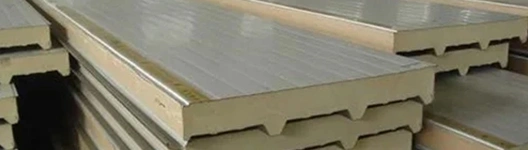 Most projects use PUF or PIR panels. That usually depends on how strict the temperature control needs to be. These materials are known for reducing heat transfer, helping maintain stable internal conditions. Not perfect, but reliable enough for long-term use.
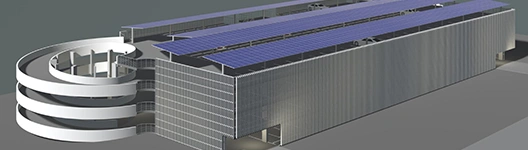 Durability is another factor to consider, especially in spaces that run nonstop. These panels deal with moisture, temperature shifts, and daily wear. They hold up well when installed properly. The outer surface takes the impact, while the inner core continues to do its job without much change.
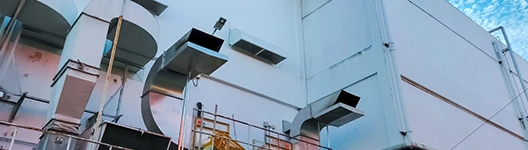 Installation is kept simple for a reason. Panels are designed to fit together without requiring too much on-site correction. That speeds things up, but also reduces the chances of mistakes during assembly.
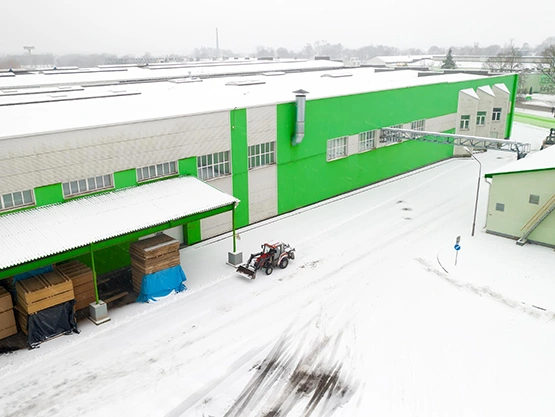
Cold Storage Warehouse Manufacturers
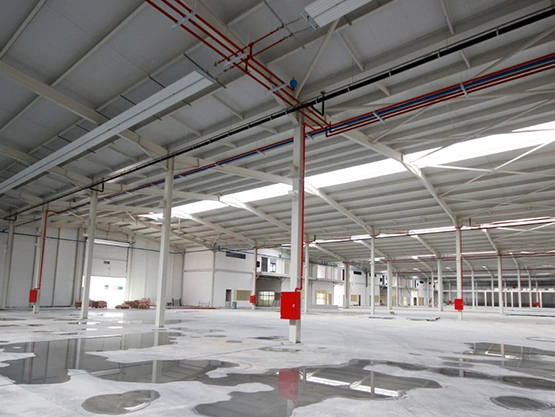
Building a cold storage warehouse is not just about scale. A bigger space does not always mean better performance. It has to be planned around how the space will actually be used.
Cold storage warehouse manufacturers usually start with the requirement itself. What needs to be stored, how much, and at what temperature? Sounds basic, but skipping this step causes problems later.
Refrigeration systems are then introduced. They cannot be added randomly at the end. The structure and system need to match from the start. Otherwise, efficiency drops and energy use increases.
Once that part is clear, the layout starts taking shape. Space must allow for movement, airflow, and access without creating dead zones. It is not just about stacking storage. It is about how things move within space.
Most projects follow a turnkey route. Design, build, install, test. All connected. It keeps things moving without too many breaks.
Cold Room Manufacturing Solutions
 Cold rooms are smaller compared to warehouses, but that does not make them simple. In some ways, they need more precision because there is less room for error.
 Cold room manufacturers usually offer modular setups. These are easier to install and can be adjusted later if needed. That flexibility helps in spaces where requirements may change over time.
 Walk-in coolers and freezers are common in day-to-day operations. Restaurants, retail stores, and small distribution units use them constantly. They need to stay reliable because there is no backup once they are in use.
 Multi-temperature cold rooms are a bit more complex. Different sections need to maintain different temperatures without affecting one another. That requires careful planning during the design itself.
 Applications spread across food storage, pharmaceuticals, and retail. Each one comes with its own requirements, so the setup has to match how it will be used, not just how it looks.
Key Features of Our Cold Store Solutions
When you compare insulated sandwich panels with traditional materials, the difference shows up in actual use. Some benefits are obvious right away, while others show over time:
 Thermal insulation remains consistent throughout the structure, helping prevent sudden temperature shifts.
 Energy use stays under control because systems do not have to constantly adjust.
 Materials handle moisture and resist corrosion, which helps in long-term use.
 Layouts can be adjusted to meet storage needs, making better use of available space.
 Standards are followed during design and build, ensuring consistent performance across projects.
Industries We Serve
Different industries rely on cold storage for different reasons, but the core need stays the same:
 Food and beverage setups use it to keep products from spoiling too quickly.
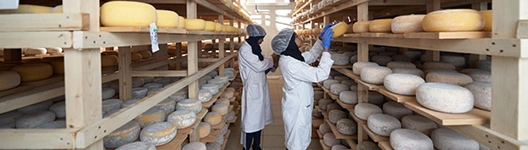 Dairy, meat, and seafood operations depend on stable, low temperatures every day, while the pharmaceutical and healthcare sectors use it to maintain products that cannot tolerate temperature variation.
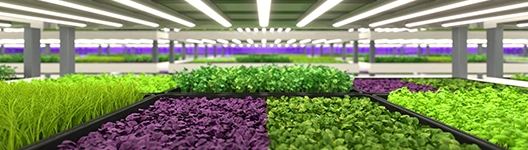 Agriculture and horticulture setups use it to extend shelf life after harvest.
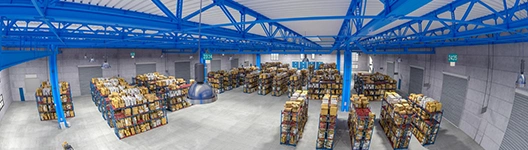 Logistics and distribution centers depend on it to manage goods during storage and movement.
Our Cold Store Project Execution Process
The process usually follows a clear flow, though small things change depending on the project. It starts with requirement analysis. Teams look at what needs to be stored and under what conditions. Design and engineering come next, shaping the structure around actual use.
Manufacturing of cold store panels follows, based on the approved design. Installation and assembly happen on-site, with teams working in coordination. Testing and commissioning close the process, making sure everything runs as expected before handover.
Why Choose Us for Cold Store Solutions?
Choosing the right team affects how smoothly the project moves from start to finish. That part is easy to underestimate. There is experience across cold storage warehouses and cold room manufacturing projects. That shows when unexpected issues come up.
The cold storage panels used in the structure perform as expected, without unnecessary variation. Turnkey execution keeps the process connected, which avoids delays between stages.
Engineering teams stay involved throughout planning and installation, helping keep things aligned. Support continues after installation, which helps maintain system performance over time.
Quality & Compliance Standards
Cold storage systems need to meet certain standards, especially when products depend on them. International certifications guide how materials and processes are handled.
Food safety and hygiene standards are followed where required. Fire safety and insulation norms are considered during design and build. Environmental compliance is maintained to ensure the responsible use of materials and systems.
Frequently asked questions
Panels usually come with PUF or PIR insulation cores. The choice depends on how strict the temperature control needs to be for that space.
Start with what you plan to store and the temperature range it needs. From there, size and layout decisions become easier to figure out.
Food, pharma, agriculture, and logistics use these setups regularly. Any place dealing with temperature-sensitive goods will need them at some point.
Yes, the design adjusts based on required temperature and usage. That includes insulation level, layout, and system setup.
It comes down to consistent execution and how systems are put together. Everything is planned to work as one setup, not separate parts.
It depends on the project’s size and complexity. Larger setups take longer, but proper planning helps avoid delays.
Cold rooms handle smaller, specific storage needs. Warehouses handle larger volumes and broader operations.
They hold up well under regular use and changing conditions. Proper installation helps maintain their performance over time.
Yes, support continues after installation. Regular checks help keep the system running properly.
Yes, large projects are handled with full planning and coordination. The process stays structured, so scale does not create problems.
Projects Gallery
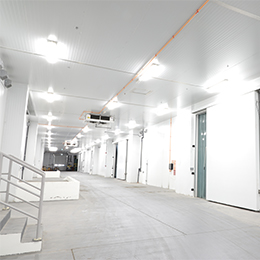
CHILLIS COLD STORE WAREHOUSES
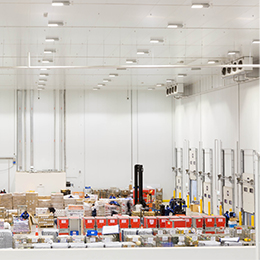
SPINNEYS COLD STORES
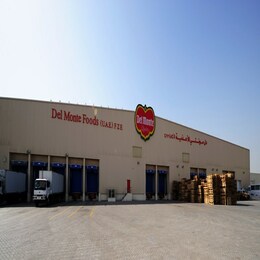
DELMONTE FOODS COLD STORAGE
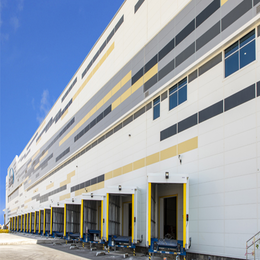
ABUDHABI PORTS VACCINE STORAGE FACILITY
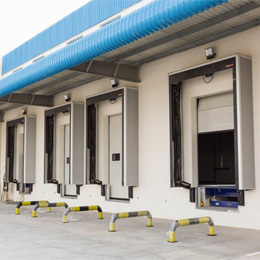
LIFCO FOODS COLD STORAGE
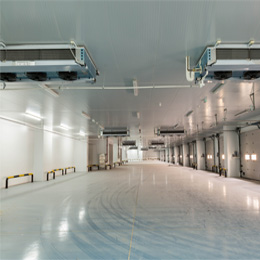
DUBAI FRUIT & VEGETABLE MARKET COLD STORES
 Call Us on :
