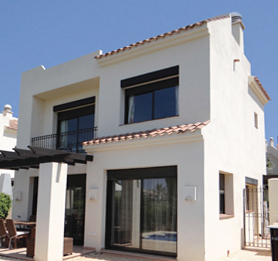
A Complete Guide for Building Modular Homes

modular homes

The construction industry is experiencing an electrifying transformation, with modern modular homes changing how couples can afford and build their dream homes. This proven, cost-effective approach is especially attractive in today’s sustainable and affordable real estate-driven world.

By 2025, the greater application of prefabrication, smart home technology, and green building materials will make modular homes more appealing than ever. In this blog, we will cover all you need to know about modular home building, its benefits, and what to look for to make an informed decision.

What Are Modular Homes?

A modular home is a prefabricated house built in sections, or “modules,” in a controlled factory setting. This method delivers the modules to the site and then assembles on a permanent base. In contrast to mobile or manufactured homes, modular homes must adhere to the same local and state building codes as traditional site-built homes.

Modular Homes Key Features:

  • Factory-built, site assembled, Quality control
  • National and local building codes compliant, which makes it durable and safe to the standards
  • Quicker, more sustainable construction that means less waste and emissions
  • Ready-made layouts and designs, which provide options to get your home ready
  • Future-proof and energy-efficient features, biocompatibility, sustainability, and smart home integrations

Why Are Modular Homes Increasingly Popular?

Faster Construction Time

One of the most exciting benefits is the speed of construction of modular functions. While traditional houses typically take 12–18 months to build, a modular home can be completed and ready for you to move in to within 3–6 months. 

Since modules are built off-site during site preparation, the construction timeline is cut by nearly 50%. This means that, with some luck, you might find yourself in a new home sooner than you think.

Cost Savings

Modular home constructions are more budget-friendly because of lower labor costs, less wasted materials, and quicker project delivery time. On average:

  • Traditional home construction: $150 – $250 per square foot
  • Pre-fab home construction: $100–$180/SF

That means those potential savings are 15%–30% more than traditional homes.

High-Quality Construction

Modular homes are synonymous with high-quality construction. High-quality construction is a hallmark of modular homes. Housings produced in factory-controlled environments can be tested more rigorously for quality, eliminating the most common human error and weather damage in construction defects. It’s an important selling point for prospective buyers to know that it is structurally sound and will last for a long time.”

Sustainable and Eco-Friendly

Around 37% of global emissions come from the construction industry. Modular homes reduce this footprint in several ways:

  • Less waste material: Factory precision cuts waste upto 50%
  • Energy-saving designs: Prefabricated walls and insulation help save energy by 30%
  • Sustainable materials: Several modular home companies now use recycled or renewable materials

Smart Home and Integration of Green Technology

Modular homes that are delivered ready with smart technology are on the rise in 2025:

  • Solar Panels: Less dependency on non-renewable energy.
  • Smart Thermostats: Optimize heat and cooling.
  • Automated Security Systems: Increases home security.
  • Energy-Efficient Appliances: Reduces electricity consumption.

6 Simple Steps For Building Your Modular Home

Step 1: Planning and Design

This process begins with selecting a floor plan. Most modular home builders provide customizable options so owners can choose layouts, materials and finishes that fit their lifestyle.

Pro Tip: Finalize your design according to local zoning regulations and building codes.

Step 2: Select a Manufacturer and Builder

Choosing a respected modular home manufacturer is key. Look for companies with:

  • Strong industry reputation
  • Extensive portfolio of finishing projects
  • Warranties plus after-sales services

Step 3: Prepare the Site and Obtain Permits

Factory construction of your home is taking place while site preparation occurs. This includes:

  • Obtaining building permits
  • Leveling and clearing the land
  • Laying the foundation

Step 4: Factory Construction

This is the difference between modular homes and traditional ones. Instead of being less about building the actual building on site, modules are constructed with higher precision and quality control in a climate-controlled factory.

  • Frame and insulate: Build walls, floors, and roofs.
  • Internal Work: Plumbing and electrical wiring.
  • Interior Finishes: Drywall, cabinet making & flooring done.

Step 5: Delivery & On-Site Assembly

The modules are then driven to the site and assembled. Each section is lowered into place, forming the foundation, and the final connections are made for the electric, plumbing, and HVAC systems.

Step 6: Final Inspections and Handover

A last inspection makes sure the house meets all safety and quality requirements. Once approved, it’s move-in ready. 

Challenges and Considerations

Here are some of the constraints one needs to look for before opting for this construction: 

Financing Challenges

Some lenders don’t provide traditional home loans for modular homes. Capital and Finance: Work with a lender who understands modular construction financing styles.

Land and Location

Make sure the land you choose is easily accessible for transportation and assembly of the modules.

Customization Limitations

While modular homes can be customized, there are structural limits. The cost may be higher, and the construction may be extended to include fully custom designs.

Hidden Costs

The actual modular homes are budget-friendly, but the prices may go above that because:

  • Land purchase
  • Site preparation and permits
  • Transportation, and Crane Services

Modular Homes Market Forecast as of 2025

According to an industry report, the modular construction market is expected to grow from $101.67 billion in 2024 to $108.6 billion in 2025, with a compound annual growth rate (CAGR) of 6.8%.

Regional Adoption:

USA: Modular homes make up 8% of new housing starts in 2025

Europe: Sweden and Norway are among the trailblazers, with modular techniques contributing to 45% of homes.

Asia: Modular smart homes are emerging in China and Japan.

TSSC Group: The Leading Provider of Modular Homes

TSSC Group is a market leader in advanced prefab modular building, providing superior-quality, and cost-effective housing solutions. As a seasoned builder in modular architecture, TSSC guarantees that your house is:

  • Built Quicker – Ready to move in months
  • Eco-Friendly – Sustainable design
  • Tough and Compliant – Meets all international safety and building regulations

TSSC’s Modular Home Solutions consist of:

  • Affordable housing
  • Modular office spaces
  • Design and construction of modular commercial buildings

Explore TSSC Group’s modular home solutions.

Conclusion

Modular homes are a more efficient, faster, and eco-friendly alternative to conventional Housing. The hybrid trend is projected to gain enormous traction as 2025 approaches, as sustainable building practices and smart home technology are increasingly adopted. If you are in the market for a new house, why not consider the advantages of a modular house? It may be what you need for your current housing situation.

Modular construction is the future for those wanting a premium, affordable, forward-thinking home. Partnering with a trusted provider such as TSSC guarantees your home will be built quicker and ready to move in within months.

Considering a modular home? Follow this journey with TSSC Group.
Everything you need to know about building envelopes before investing

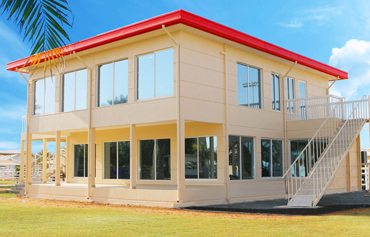
Modern building facades offer a lot more than just providing shelter. This is why building envelopes have become one very popular item used in construction projects. This popularity is construction schedules, tight design, few skilled workers, strict energy codes, and facades act as weather barriers. Prefab façade systems have existed for centuries, but the use has dramatically increased in these years. Homeowners aim to solve multiple issues of construction with a single element possibly. 

Improve the aesthetic appeal and save on your energy bills

A building envelope shields the building structure from damage. Protecting a construction with an envelope aids in safeguarding the building from various elements. They also support the mechanical load, and the interior is protected from exterior hazards. The coverings also offer aesthetic appeal; they have attractive finishes. 

If you are looking for ways to control a construction’s climate, there is nothing better than a building envelope. If you are assembling a modular home, climate control is crucial. Such buildings require a shell that keeps away several elements from affecting the interior cooling and heating system. The interior is comfortable; there is no escaping of air or energy-wasting. This helps to control airflow, ventilation and to save on your energy bill. 

Knowing the three parts of a building envelope

A building envelope’s functions can be categorized into three parts: control, support, and finish. The controlling function includes guiding the flow of all types of energy and matter. The control functionality mainly focuses on controlling air, rain, heat, and humidity. The envelope supports by resisting and transferring dynamic and structural loads. Finishing is the final step where the visual aesthetics are met. Prefab facades are manufactured inside an environmentally-controlled unit. The manufacturers use a specific approach, yet there is sufficient flexibility. 

Weatherproofing qualities of building envelopes

It is essential to control the rainwater. There are various types of shields to defend against the weather, including barriers, mass storage systems, drained screens, and mass storage. A roof is mainly installed to resist water; two roofs are popular – the pitched and flat ones. The flat roofs can resist standing water, whereas pitched roofs can only shed water. 

The basement is extremely vulnerable; moisture can easily enter through the floor and walls. Hence, proper drainage and basement waterproofing keeps the walls dry. Also, weatherproof building envelopes contain a moisture blockade under the floor. Also, controlling the airflow is of utmost importance to protect high air quality indoors, check the energy consumption, keep condensation away, and offer comfort. 

Install a tight building envelope

There are two types of envelopes – tight and loose. The loose envelope lets in a little more natural air transfer and improves indoor air quality. Also, there is no requirement for mechanical ventilation. But loose envelopes make the building interior uncomfortable and allows less energy savings. 

In comparison, a tight envelope controls air quality, humidity, energy consumption, and temperature to a greater extent. They have the least chances of experiencing mold growth and mildew due to moisture infiltration. 

Get in touch with TSSC

Are you looking for a building envelope installation for your modular home in the UAE? TSSC is a renowned manufacturer of insulated panels and other construction materials. We are operating in the Middle East for more than four decades. Reach us for a discussion regarding your project.

Why should you choose to install building envelopes to check air infiltration?

Do you know what a building envelope is? This is used to shield the house’s outer limit and is now very popularly used in construction. A building envelope incorporates the rooftop, outside entryways, subfloor, exterior walls, windows, and so on. A building envelope is the most rewarding investment that you can add to your property. 

Significance of roof panel system:

Forming a barrier with building envelopes:

The Middle East has unusual climate conditions: the days are scorching and evenings are relatively cooler and relaxed. If you are running a business that includes perishable items, insulation is the most critical factor. Building envelopes form the boundary, a barrier in the middle of the outside and inside of a development. A building envelope is a major component playing a significant role in planning, designing, and maintaining a construction. 

Building envelopes can arrest air infiltration:

Infiltration of air is when the air leaks, and it tends to pass out of construction. Do you know why air-infiltration happens? It is due to gaps present in the windows and doors; there is also a certain amount of energy loss that can go to a considerable extent. Basically, air infiltration happens due to inadequate insulation around the doors, windows, and vents. A building envelope can help in solving this issue. 


Furthermore, many homeowners tend to worry about leakage of air and find it challenging to deal with excess moisture. Here, having a way out is very important. Building envelopes offer ample insulation and protection that helps in dealing with air infiltration. 


Try installing insulated structures from TSSC:

TSSC in the Middle East, mainly in the UAE and Dubai, are the leaders in manufacturing building envelopes with weather-proofing characteristics. These envelopes act like barriers and require the right kind of positioning. TSSC envelopes are very popular in the construction sector. An accurately designed building envelope from TSSC can lift the insulating performance of commercial and industrial construction. The building process plays a significant role in regulating the light, flow of heat, and ventilation. TSSC offers the best-insulated panels in the Middle East. 

What is the importance of cold-rolled steel buildings? 

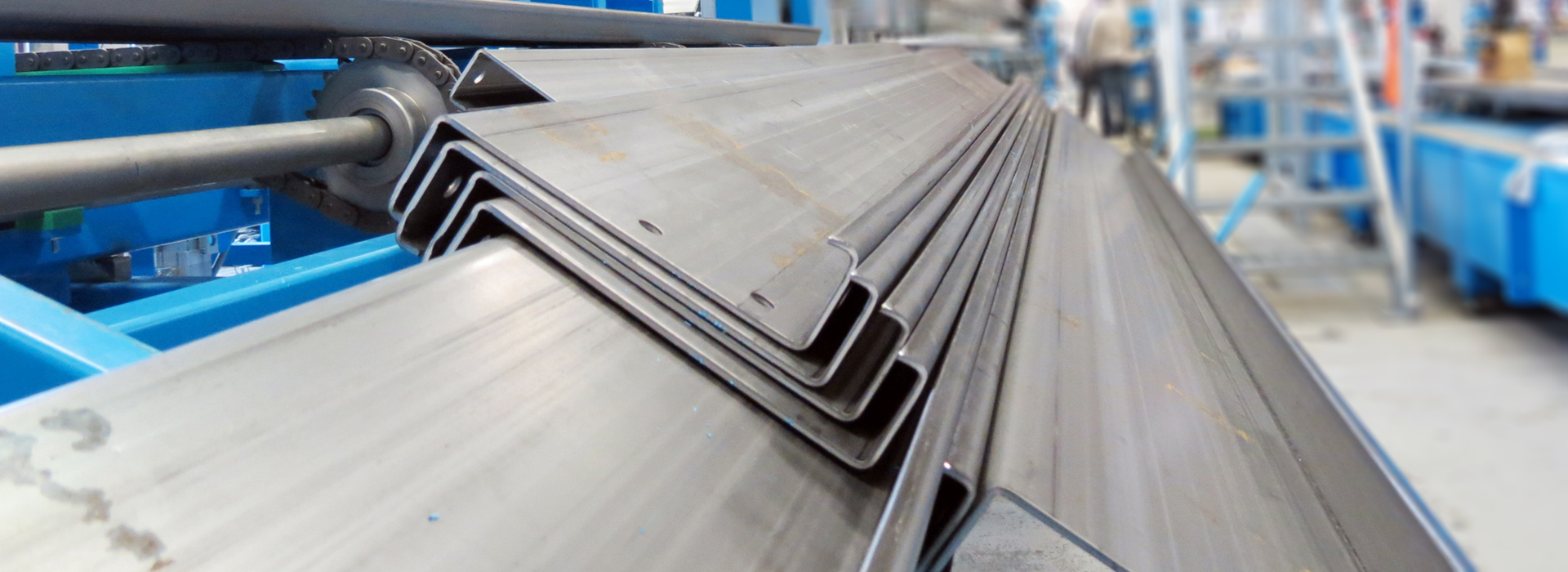
Cold rolling occurs with the metal beneath the recrystallization temperature. TSSC steel boards are ideal for appropriate protection. These panels are pre-assembled and have adequate protection properties. Cold rolled steel buildings are suitable for essential and optional development. 


Controlling the weather or environment inside: 

Building envelopes can control the internal environment. The warming and cooling of a structure decide its ability for weather control. The inside should be free from excess dampness, high-pitch sound, and too much light. Additionally, our building envelopes effectively cover the rooftops, establishments, windows, entryways, and walls. 

TSSC has emerged as the market leaders:

TSSC, an ISO 9001 organization, is the market leader in assembling insulated panels and other construction supplies. All our items are designed flawlessly. We have a group of qualified designers that deal with smooth and flawless assembling processes. TSSC is renowned for manufacturing building and construction materials for more than 40 years. 

You can visit the TSSC website for more information, email us for an interaction session. You can also call us for a consultation, request a quote.  


Check air infiltration by installing TSSC’s building envelopes in the Middle East region

What are building envelopes? These are shields installed around the external limit of the house. The structural envelope of a property incorporates the rooftop, outside entryways, subfloor, outside dividers, windows, and so forth. Read more to know why it is used and its benefits. 

Infiltration of air is a spillage of air where it all passes through a structure. The most well-known reason for air penetration is spilling windows, resulting in loss of energy to a huge extent. The main reason is inadequate insulation around the entryways, windows, and vents that are valuable in managing air invasion. 

Numerous property holders stress overabundance dampness and air penetration, so there should be an exit plan. So how would we manage this invasion? A wise idea would be to install building envelopes, a protective shield. Building envelopes can help in contributing the much-required protection. 

A building envelope is the best possible thing that you can install. The Middle East has extraordinary climate conditions, the days are hot, and evenings are nearly cooler; protection is the key. A structure envelope is a limit between the outside and inside of a construction structure. It’s an important component that plays a significant role in the design factor and maintenance.

Building envelopes can control the inside climate. The warming and cooling of a structure decide its ability for climate control. The climate ought to be liberated from dampness, an abundance of sound, and light. Likewise, these are effective in covering the rooftops, establishments, windows, entryways, and dividers. TSSC plans present day, defensive, and practical structure envelopes. 

TSSC produces building envelopes that have climate sealing characteristics. An appropriately planned structure envelope from TSSC is the simplest method to help the presentation of construction structures. The development cycle itself plays a critical part in controlling ventilation, light, and warmth stream. 

Building envelopes are notable for offering ventilation- – the inflow of natural air and outpouring of existing air- – and ensuring against air spillage. Characteristic climatic conditions like whirlwinds or storms can build the air that goes through the envelope. If air spillage is confined, energy is saved. 

Additionally, warm protection properties are extremely helpful in lessening energy costs consistently. Our architects can permit more daylight by adding coating, and this diminishes energy utilization. One more huge factor is the legitimate course of action of entryways and windows, also called fenestration. 

Cold rolling occurs with the metal underneath the recrystallization temperature; these upgrade the strength with the strain solidifying, which is up to 20%. Read to know the benefits of cold-rolled steel buildings:

  • Strong and durable development
  • The measured plans are very adaptable 
  • The choices are environment-friendly
  • Laying a foundation cuts down expenses

TSSC steel boards are useful legitimate protection; these panels are pre-assembled and have adequate protection properties. Cold rolled steel is ideal for both primary and secondary construction procedures.

TSSC is the pioneer in assembling insulated panels that are designed flawlessly. We have a specialist group of qualified architects that deal with the assembling cycle. We are into designing panels and building materials for more than 40 years. 

You can email us or give us a call to discuss your requirements or project with us—request a quote.

A Look at the Advantages of Building Envelopes – Install TSSC Panels

Air infiltration is leakage of the air; it passes in and out of a building. The most common cause of air infiltration is leaking windows and this causes energy loss to a certain extent. The biggest reason is poor insulation around the doors, windows, and vents are useful in dealing with air infiltration. Many homeowners worry about excess moisture and air infiltration, so there needs to be a way out. So how do we deal with this infiltration? Building envelopes can help in offering much-needed insulation. 

Now, what is a building envelope? A building envelope is a construction and design of the outer boundary of the house. The building envelope of a property includes the roof, exterior doors, subfloor, exterior walls, windows, etc. The best thing is a tight building envelope. The Middle East has extreme weather conditions, the days are hot, and nights are comparatively cooler; insulation is the key. A building envelope is a boundary between the exterior and interior of a construction. It’s an essential component playing a major role in maintenance and design. 

TSSC manufactures building envelopes that have weather-proofing qualities. These act like barriers and need to be positioned rightly. These shields are now extremely popular in the building sector. A properly designed building envelope from TSSC is the easiest way to boost the performance of commercial buildings. The construction process itself plays a significant role in controlling ventilation, light, and heat flow. 

The benefits of building envelopes

Building envelopes are well known for offering ventilation–the inflow of fresh air and outflow of existing air–and protecting against air leakage. Natural climatic conditions like gusts of winds or storms can increase the air that passes through the envelope. If leakage is restricted, energy is saved. Also, thermal insulation properties are very useful in reducing energy costs throughout the year. Our engineers can allow more sunlight by adding glazing, and this reduces energy consumption. One more significant factor is the proper arrangement of doors and windows, which is known as fenestration.

Why is cold rolling essential? 

Cold rolling happens with the metal below the recrystallization temperature; this enhances the strength with the strain hardening, which is up to 20%. So, now read the benefits of cold rolling steel buildings:

  • Hassle-free assembling  
  • Robust construction 
  • Environment-friendly option
  • Laying an accurate foundation can offer a reduction in cost
  • The modular designs are quite flexible

TSSC steel panels are superb for proper insulation; these panels are prefabricated and have sufficient insulation properties. Cold rolled steel is ideal for both primary and secondary construction. 

Controlling the internal environment

Building envelopes have the power to control the internal environment. The heating and cooling of a building determine its capacity for weather control. The environment should be free from moisture, excess sound, and light. Also, these are efficient in covering the roofs, foundations, windows, doors, and walls. TSSC designs modern, protective, and functional building envelopes.  

Call the leaders

TSSC, an ISO 9001 company, is the leader in manufacturing panels that are engineered to perfection. We have an expert team of qualified engineers that take care of the manufacturing process. We have manufactured insulated panels for more than 40 years.

Email or call us to discuss your project with us—request a quote.