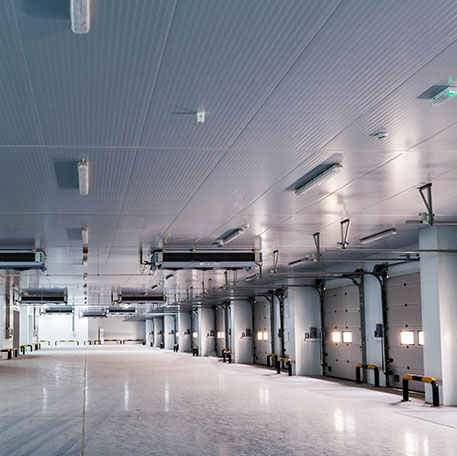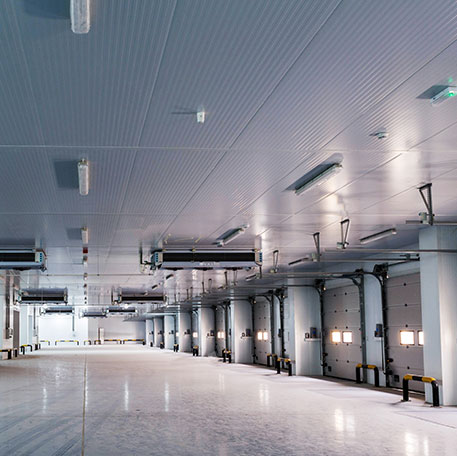
Designing a High-Performance Cold Room: Engineering Factors Most Businesses Overlook

Cold rooms support many industries. Food suppliers use them to store fresh products. Pharmacies rely on them for temperature-sensitive medicine. Laboratories store samples in them every day. Many businesses install a cold room and assume the job is done. In reality, performance depends on proper design and engineering decisions. 


A well-planned cold store solution avoids these problems. This guide explains the engineering factors that many businesses ignore when designing a cold room. These details help build a system that runs smoothly for years.


Understanding the Purpose of a Cold Store Insulation System


A cold room is an insulated storage space that keeps items at a controlled low temperature. Most standard cold rooms operate between 0°C and 5°C. This temp range Cold Rooms is also known as Chiller rooms.


Businesses use them to slow down product spoilage and protect sensitive materials. A stable temperature helps maintain quality and safety. Cold rooms serve many industries, including:


  • Food distribution and catering
  • Pharmaceutical storage
  • Laboratory facilities
  • Chemical storage areas
  • Floral businesses


Each application has different storage needs. The design must match the type of products stored inside.


Engineering Factor 1: Proper Insulation Planning


Insulation controls how well the cold room holds its temperature. Poor insulation allows heat to enter the room. The refrigeration system then works harder to maintain the temperature.


Good insulation keeps the cold air inside the room. This helps a lot in reducing energy wastage. Common insulation materials include:


  • Polyurethane panels
  • Polystyrene insulation boards
  • Mineral wool insulation


Panel thickness also matters. Thicker insulation performs better in warmer environments.

Businesses often focus only on the refrigeration system. They forget that insulation does most of the work in protecting against temperature.


A well-insulated room reduces operating costs and maintains stable temperatures.


Engineering Factor 2: Refrigeration System Capacity


The refrigeration system forms the core of any cold room. It controls cooling and keeps the temperature within the required range.


Many companies choose a system that only meets current needs. This approach often leads to problems later. The cooling system must handle:


– Stored product load

– Heat entering through doors

– Staff movement inside the room

– Lighting heat output

– External room temperature


An undersized unit runs constantly. That shortens its lifespan and increases electricity costs. A well-sized system maintains temperature without running at full power continuously.


Engineering Factor 3: Flooring Strength and Moisture Protection


Floor design often receives little attention during planning. Cold room floors must withstand moisture, low temperatures, and heavy loads.


A weak floor leads to cracks or water damage over time.


Most facilities install reinforced concrete flooring. This material supports heavy equipment and storage racks. It also handles low temperature conditions well.


Proper drainage also helps prevent water buildup. Standing water creates safety risks and damages the structure.


A strong floor supports the entire system and protects stored goods.


Engineering Factor 4: Door Design and Sealing


Cold room doors open many times during the day. Every opening allows warm air to enter the room.


Good door design helps control this heat transfer.


Cold room doors usually include:


  • Heavy insulation panels
  • Magnetic or rubber sealing gaskets
  • Strong hinges or sliding tracks


Door size also affects performance. Large doors allow easy equipment movement but increase heat entry.


Many facilities also use strip curtains. They reduce warm air flow when doors open. Proper sealing is also important. It protects the internal temperature and reduces refrigeration strain.


Engineering Factor 5: Interior Storage Layout


Storage layout affects airflow inside the cold room. Poor layout blocks air circulation and creates warm spots. Cold air must move freely through space. Shelving and racks should allow airflow between stored products. Good layout planning includes:


– Space between racks and walls

– Clear paths for air circulation

– Easy access for staff movement

– Insulated panels for cold storage


These small layout decisions help the refrigeration system work efficiently.


Engineering Factor 6: Lighting That Does Not Add Heat


Lighting inside a cold room must provide clear visibility without increasing the heat load.

Older lighting systems produce heat. This heat forces the cooling system to work harder. LED lighting works better in cold rooms because:


  • It produces very little heat
  • It uses less electricity
  • It performs well in low temperatures


Proper lighting placement also improves worker safety in the room.


Cold Room Installation Considerations

Design planning forms only the first stage. Installation quality determines how well the system performs. A typical cold room installation includes several steps.


Site Preparation

The installation team prepares the foundation and connects the power supply. The floor must support the full system weight.


Panel Assembly

Technicians assemble insulated wall and ceiling panels. Tight connections help maintain temperature stability.


Refrigeration Installation

The cooling unit connects to the electrical system. Engineers calibrate the system to maintain the correct temperature.


System Testing

Technicians test the room after installation. They check temperature performance, door seals, and system efficiency. Careful installation ensures the cold room operates as designed.


Common Items Stored in Cold Rooms

Cold rooms store a wide range of products. Storage conditions depend on the industry using the facility. Common items include:


Food Products

Fresh produce, dairy, seafood, and meat require low-temperature storage to stay safe and fresh.


Pharmaceutical Products

Vaccines and medical supplies need stable temperatures to remain effective.


Laboratory Samples

Research facilities store biological samples in controlled environments.


Chemicals

Certain chemicals remain stable only when stored at low temperatures.


Floral Products

Florists store cut flowers in cold rooms to extend freshness. Each product group requires proper storage practices and monitoring.


Cold Room Maintenance for Long-Term Performance


Regular maintenance keeps a cold room working nicely. But it’s the ignorance of maintenance that creates problems. Simple maintenance habits protect the system.


Routine Inspections

Check insulation panels, refrigeration components, and door seals regularly.


Cleaning

Dust and debris can block airflow around the cooling system. Cleaning prevents performance issues.


Temperature Checks

Monitor temperature controls to ensure the room stays within the required range.


Professional Servicing

Servicing will keep your cold storage running for a long time. It also increases efficiency.


Conclusion

A high-performance cold room requires careful planning. Insulation, refrigeration capacity, flooring strength, and insulated panels for cold storage all affect how well the system works. Businesses often focus only on cooling equipment. Many other engineering details affect performance just as much. A properly designed cold room protects stored products, controls energy costs, and supports daily operations. 

Contact our cold storage experts today at TSSC to discuss your project and design a cold room that meets your business needs.


FAQs


  1. What temperature does a cold room usually maintain?


Most cold rooms operate between 0°C and 5°C. This range helps preserve perishable goods while slowing bacterial growth.


  1. How long can items stay inside a cold room?


Storage time depends on the product type. Many food items remain safe for several days or weeks when stored properly.


  1. How often should a cold room be serviced?


You can do it at least once or twice a year. Regular inspections help prevent system failures.


  1. What industries use cold rooms the most?


Food distribution, pharmaceuticals, laboratories, florists, and chemical storage facilities commonly rely on cold rooms.


  1. Why is airflow important inside a cold room?


Good airflow keeps the temperature even throughout the room. Poor circulation can create warm spots that affect stored products.
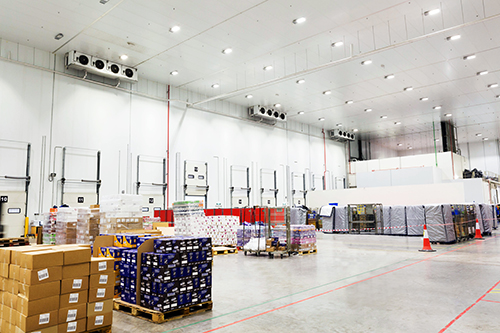
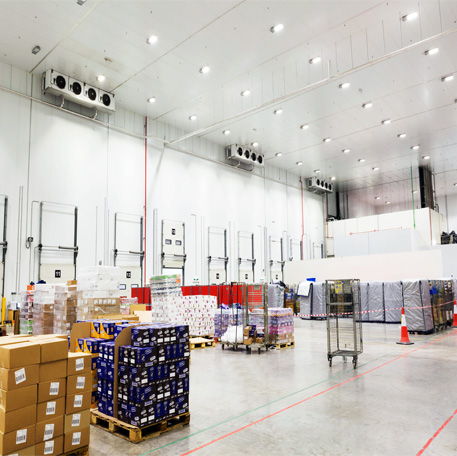
Propel your business with more storage space – investing in cold store panels in West Africa

A cold store room in West Africa is capable of handling perishable goods in bulk between production and marketing. It is used to store and preserve commodities in fresh condition by controlling different gases, maintaining the adequate temperature and the humidity levels inside the storage system.  Food industry and other sectors like biotechnology, pharmaceuticals, supermarkets, flower and florist and other medical fields use cold storages heavily . The insulation of cold storages is a very important factor. The advancement in technology has brought ample development in the commercial sector. Cold rooms should be free from dampness and humidity.

Units available in different shapes and sizes

Commercial refrigerated systems are available in different types and sizes. These custom units are fitted with the right amount and type of refrigerant system to meet your refrigeration requirements. You can choose the refrigeration types. You can also construct the units of different shapes. Portable and non portable units are available in customized sizes. TSSC’s cold store panels in West Africa are lightweight. This allows easy transportation and simple installation. The panels have a monolithic construction style formed due to injecting tough polyurethane foam at a high density in between metal cladding. 

TSSC is the leaders in designing insulated solutions

TSSC Group has been operating in West Africa for more than 50 years. We have been designing building and construction solutions for various clients. We offer insulation solutions like roofing and cladding, also commercial refrigeration solutions. TSSC is the leaders in manufacturing durable cold store panels in West Africa. TSSC’s  expert engineers develop updated cooling solutions like  cold store panels and refrigerated vehicles. The company uses ASTM certified metal during the manufacturing process. Sandwich panels have a shelf life of about 25 years after the installation process.

The panels are resistant to impacts, temperature changes and fire hazards. The panels do not require everyday maintenance or cleaning. TSSC Group offers yearly maintenance service. It keeps your cold room in great condition. We design sandwich panels to design energy efficient solutions. The panels use core materials that include EPS, PIR, polyisocyanurate and mineral fleece. Select the materials of the core depending on the need and the budget of your project. TSSC’s cold store room panels in West Africa are lightweight and functional.

Final words – Explore our inventory

TSSC cold store room in West Africa is designed to meet client requirements. Our team takes care of every detail of your project from planning to timely delivery. TSSC Group offers customized and functional cold storage facilities. Our team offers tailored advice and design solutions for you. Please visit the TSSC website for information and take a look at our inventory. Get a consultation for your project for an effective solution. We have a team of expert engineers to handle your project from planning phase to on time delivery. You can meet our team, call us or email us for suggestions. We will provide you with additional information that you need. Request a no obligation quote.

Expand your business by insulating your cold store room in West Africa

Cold storages play an important role in expanding your business. Cold stores maintain a constant very low temperature to store items for a longer period of time without spoilage. Are you maintaining your cold storeroom in West Africa?

Sandwich panels in a nutshell

Sandwich cold store panels in West Africa have two metal sheets on the two sides that cover the insulating core in the middle. There are different core materials available and we suggest the insulating material based on your requirement. The cold storage sandwich panels have a monolithic construction that is formed due to injecting rigid polyurethane foam at a very high density between the metal claddings. Polyurethane is commonly used for insulating cold rooms. It is a dense cellular foam that is composed of polyol and isocyanate. Panels having polyurethane can be used in varying thicknesses. The sandwich panels ensure thermal efficiency and sound insulation. Sandwich panels are lightweight and allow easy transportation. The installation process is simple.

TSSC’s solutions

Take a look at TSSC’s cold store solutions:

  • Warehouse and cold storage solutions
  • Portable cold rooms
  • Refrigerated trailers and trucks
  • Offshore refrigerated containers
  • Walk-in freezers and display chillers

 
We use ASTM-certified metal in manufacturing these panels. The insulated panels have a shelf life of about 25 years post-installation. They are resistant to temperature, impacts and fire. The panels do not require regular maintenance so we suggest getting yearly maintenance done. TSSC Group has a team of maintenance experts. TSSC Group is committed to offering custom bespoke walk-in cold rooms. We cater to your requirements and have trained experts who can take a step further to make sure you get what your business exactly needs.

Why choose TSSC Group in West Africa?

TSSC Group in West Africa designs insulated solutions and building supplies for more than 50 years. We are the leaders in manufacturing cold store panels in West Africa. We design building and construction supplies for businesses of all sizes in the country. We have a team of expert engineers who design modern cooling solutions, including cold store panels and refrigerated truck boxes. TSSC Group specializes in designing cold store panels in West Africa. We use high-quality sandwich panels to design energy-efficient solutions. The panels use customized core materials like EPS, PIR, polyisocyanurate and mineral fleece. The choice of materials depends on the project requirement and your budget.

Customized cold store panels from TSSC

We wish you luck for expanding your business. Discuss with us if you are looking for a spacious cold storeroom in West Africa. We customize cold store panels according to your budget and requirements. The panels are lightweight so they can be transported easily. You can choose the core material but we recommend the EPS core for outstanding insulation. The thermal conductivity of the foam is about 1.5 -2 times higher. The thickness of the panels should be chosen almost 20-30% more than polyurethane foam panels. Please visit the TSSC website for more information and you also get a chance to explore the online catalog.

Final words

Please visit our store to visit the huge TSSC Group inventory. Get a consultation for your project for an effective solution. We have a separate team to handle your project from planning to delivery. Get in touch with the team, call us or email us. Request a no-obligation quote.

Is your cold storeroom in the West Africa interior well insulated?

Cold storage in West Africa has been helping businesses to expand. A cold storeroom in West Africa is a freezer used to store perishable items in larger quantities. Businesses like export-import, hotels, farms, hospitality, pharmaceuticals, flowers, blood banks and supermarkets have experienced growth and proper functioning. The cold rooms efficiently maintain a constant low temperature to ensure that the items do not get spoiled when stored for a longer period of time. You can well imagine how proper maintenance of a cold store interior plays a major role. Now cold store interiors are set up adhering to the latest technologies. Well, the entire efficiency depends on how well the interior is insulated. 

Two metal sheets protecting the core

Sandwich cold store panels in West Africa are made of two metal sheets on the two sides that cover the insulating core in the middle. These panels are installed inside cold rooms to ensure energy efficiency and insulation. The sandwich panels offer maximum thermal insulation to ensure the items inside remain cold and no hot air passes into the cold rooms. The panels are lightweight that allows easy transportation and seamless installation. The cold storage sandwich panels have a monolithic construction that is formed due to injecting rigid polyurethane foam at a very high density between the metal claddings. 

 What TSSC Group has to offer:

TSSC Group specializes in various cold storage solutions that include:

  • Warehouse and cold storage solutions
  • Portable cold rooms
  • Refrigerated trailers and trucks
  • Offshore refrigerated containers
  • Walk-in freezers and display chillers


TSSC Group uses ASTM-certified metal in the manufacturing process. The panels have a shelf life of about 25 years post-installation. The insulated panels are resistant to temperature, impacts and fire. The panels do not require regular maintenance, we suggest getting yearly maintenance done. 

Why choose TSSC Group in West Africa?

TSSC Group has been operating in West Africa and designing insulated solutions for more than 50 years. We are the leaders in manufacturing cold store panels in West Africa. We design building and construction supplies for various businesses in the country. We have a team of expert engineers who design modern cooling solutions, including cold store panels and refrigerated truck boxes. TSSC Group specializes in designing insulated solutions in West Africa. We use high-quality sandwich panels to design energy-efficient solutions. The panels use customized core materials like EPS, PIR, polyisocyanurate and mineral fleece. The choice of materials depends on the project requirement and your budget. 

Final words

Are you all set to have an insulated cold storeroom in West Africa? When you order heat-insulating sandwich panels, you get a customized solution. The panels are lightweight so they are easy and hassle-free to transport. Some manufacturers, including TSSC Group, offer sandwich panels with EPS that offer excellent thermal insulation. The thermal conductivity of the foam is about 1.5 -2 times higher, so the panels’ thickness should be chosen almost 20-30% more than polyurethane foam sandwich panels. Please visit the TSSC website for more information and you also get a chance to explore the online catalog. Please visit our store to visit the huge TSSC Group inventory. Get a consultation for your project for an effective solution. We have a separate team to handle your project from planning to delivery. 

Get in touch with the team, call us or email us. Request a no-obligation quote.

Insulating your warehouse cold storage facility with cold store panels in West Africa

A cold room is a large-size freezer space designed to store perishable items at a low temperature. Usually, these cold rooms are used in industries that include import and export, hotel and hospitality, pharmaceuticals, supermarkets, farms and blood banks. Maintaining a constant low temperature is important to ensure the items are stored properly for an extended period. Adequate storage of products ensures hygiene, microbial growth, texture degradation and discoloration. The items are stored in an environment that is below the temperature outside. A Cold store room in West Africa is not a new concept and the ancient cold rooms were known as snowfields. The purpose was to store ice even if the snow melts. 

The big role of sandwich panels

Cold rooms play an active role in storing perishable items including vegetables, fruits, medicines, flowers, perfumes and more. Insulation is the essential factor for well-functioning cold storage. Sandwich cold store panels in West Africa play a big role in insulating commercial interiors. The panels are made from two metal sheets on the two sides that cover the insulating core in the middle. Sandwich panels are used inside warehouses and cold storage for long-lasting protection.

Warehouse cold storage

Insulated panels offer a solution to various insulation issues in lightweight prefabrication. Insulated panels are widely used worldwide to offer maximum thermal insulation. The harsh weather of West Africa has been the driving factor for the increasing demand for sandwich panels. These panels have a monolithic construction that is formed due to injecting rigid polyurethane foam at a very high density between the metal claddings. TSSC Group offers customized cladding solutions depending on the application requirement. 

Functional cold store panels 

Are you planning to insulate an existing cold store room in West Africa? Install TSSC’s lightweight and durable panels. They have a minimum shelf life of a minimum of 25 years after installation. Our cold store panels are strongly resistant to temperature, impacts, wind and fire hazards. The insulated panels do not require heavy maintenance. Cleaning them once a year is a good option. The TSSC engineers perform quality control through testing and ASTM-certified metal is used during the manufacturing process. These are the types of cold storage:

  • Warehouse cold store solution
  • Portable cold rooms
  • Walk-in freezers and chillers
  • Refrigerated truck bodies and trailers
  • Offshore refrigerated containers

 
Why trust TSSC Group 

TSSC Group has been operating in West Africa for more than 50 years. We are the leaders in manufacturing premium insulated cold store panels in West Africa, building and construction supplies. We have a team of expert engineers who design modern cold storage facilities and refrigerated truck boxes. The company specializes in insulated doors available for transport vehicles and on-site facilities. Our panels are made of premium sandwich panels. These panels use different core materials like EPS, PIR, polyisocyanurate and mineral fleece. Please visit the TSSC website for more information. Get a personal and effective consultation for your project—request a no-obligation quote.