


Designing a High-Performance Cold Room: Engineering Factors Most Businesses Overlook
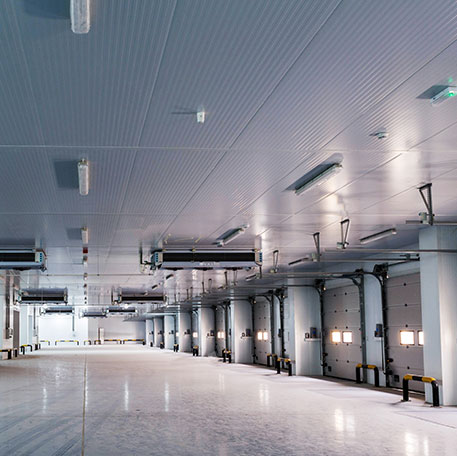
Cold rooms support many industries. Food suppliers use them to store fresh products. Pharmacies rely on them for temperature-sensitive medicine. Laboratories store samples in them every day. Many businesses install a cold room and assume the job is done. In reality, performance depends on proper design and engineering decisions.
A well-planned cold store solution avoids these problems. This guide explains the engineering factors that many businesses ignore when designing a cold room. These details help build a system that runs smoothly for years.
Understanding the Purpose of a Cold Store Insulation System
A cold room is an insulated storage space that keeps items at a controlled low temperature. Most standard cold rooms operate between 0°C and 5°C. This temp range Cold Rooms is also known as Chiller rooms.
Businesses use them to slow down product spoilage and protect sensitive materials. A stable temperature helps maintain quality and safety. Cold rooms serve many industries, including:
- Food distribution and catering
- Pharmaceutical storage
- Laboratory facilities
- Chemical storage areas
- Floral businesses
Each application has different storage needs. The design must match the type of products stored inside.
Engineering Factor 1: Proper Insulation Planning
Insulation controls how well the cold room holds its temperature. Poor insulation allows heat to enter the room. The refrigeration system then works harder to maintain the temperature.
Good insulation keeps the cold air inside the room. This helps a lot in reducing energy wastage. Common insulation materials include:
- Polyurethane panels
- Polystyrene insulation boards
- Mineral wool insulation
Panel thickness also matters. Thicker insulation performs better in warmer environments.
Businesses often focus only on the refrigeration system. They forget that insulation does most of the work in protecting against temperature.
A well-insulated room reduces operating costs and maintains stable temperatures.
Engineering Factor 2: Refrigeration System Capacity
The refrigeration system forms the core of any cold room. It controls cooling and keeps the temperature within the required range.
Many companies choose a system that only meets current needs. This approach often leads to problems later. The cooling system must handle:
– Stored product load
– Heat entering through doors
– Staff movement inside the room
– Lighting heat output
– External room temperature
An undersized unit runs constantly. That shortens its lifespan and increases electricity costs. A well-sized system maintains temperature without running at full power continuously.
Engineering Factor 3: Flooring Strength and Moisture Protection
Floor design often receives little attention during planning. Cold room floors must withstand moisture, low temperatures, and heavy loads.
A weak floor leads to cracks or water damage over time.
Most facilities install reinforced concrete flooring. This material supports heavy equipment and storage racks. It also handles low temperature conditions well.
Proper drainage also helps prevent water buildup. Standing water creates safety risks and damages the structure.
A strong floor supports the entire system and protects stored goods.
Engineering Factor 4: Door Design and Sealing
Cold room doors open many times during the day. Every opening allows warm air to enter the room.
Good door design helps control this heat transfer.
Cold room doors usually include:
- Heavy insulation panels
- Magnetic or rubber sealing gaskets
- Strong hinges or sliding tracks
Door size also affects performance. Large doors allow easy equipment movement but increase heat entry.
Many facilities also use strip curtains. They reduce warm air flow when doors open. Proper sealing is also important. It protects the internal temperature and reduces refrigeration strain.
Engineering Factor 5: Interior Storage Layout
Storage layout affects airflow inside the cold room. Poor layout blocks air circulation and creates warm spots. Cold air must move freely through space. Shelving and racks should allow airflow between stored products. Good layout planning includes:
– Space between racks and walls
– Clear paths for air circulation
– Easy access for staff movement
– Insulated panels for cold storage
These small layout decisions help the refrigeration system work efficiently.
Engineering Factor 6: Lighting That Does Not Add Heat
Lighting inside a cold room must provide clear visibility without increasing the heat load.
Older lighting systems produce heat. This heat forces the cooling system to work harder. LED lighting works better in cold rooms because:
- It produces very little heat
- It uses less electricity
- It performs well in low temperatures
Proper lighting placement also improves worker safety in the room.
Cold Room Installation Considerations
Design planning forms only the first stage. Installation quality determines how well the system performs. A typical cold room installation includes several steps.
Site Preparation
The installation team prepares the foundation and connects the power supply. The floor must support the full system weight.
Panel Assembly
Technicians assemble insulated wall and ceiling panels. Tight connections help maintain temperature stability.
Refrigeration Installation
The cooling unit connects to the electrical system. Engineers calibrate the system to maintain the correct temperature.
System Testing
Technicians test the room after installation. They check temperature performance, door seals, and system efficiency. Careful installation ensures the cold room operates as designed.
Common Items Stored in Cold Rooms
Cold rooms store a wide range of products. Storage conditions depend on the industry using the facility. Common items include:
Food Products
Fresh produce, dairy, seafood, and meat require low-temperature storage to stay safe and fresh.
Pharmaceutical Products
Vaccines and medical supplies need stable temperatures to remain effective.
Laboratory Samples
Research facilities store biological samples in controlled environments.
Chemicals
Certain chemicals remain stable only when stored at low temperatures.
Floral Products
Florists store cut flowers in cold rooms to extend freshness. Each product group requires proper storage practices and monitoring.
Cold Room Maintenance for Long-Term Performance
Regular maintenance keeps a cold room working nicely. But it’s the ignorance of maintenance that creates problems. Simple maintenance habits protect the system.
Routine Inspections
Check insulation panels, refrigeration components, and door seals regularly.
Cleaning
Dust and debris can block airflow around the cooling system. Cleaning prevents performance issues.
Temperature Checks
Monitor temperature controls to ensure the room stays within the required range.
Professional Servicing
Servicing will keep your cold storage running for a long time. It also increases efficiency.
Conclusion
A high-performance cold room requires careful planning. Insulation, refrigeration capacity, flooring strength, and insulated panels for cold storage all affect how well the system works. Businesses often focus only on cooling equipment. Many other engineering details affect performance just as much. A properly designed cold room protects stored products, controls energy costs, and supports daily operations.
Contact our cold storage experts today at TSSC to discuss your project and design a cold room that meets your business needs.
FAQs
-
What temperature does a cold room usually maintain?
Most cold rooms operate between 0°C and 5°C. This range helps preserve perishable goods while slowing bacterial growth.
-
How long can items stay inside a cold room?
Storage time depends on the product type. Many food items remain safe for several days or weeks when stored properly.
-
How often should a cold room be serviced?
You can do it at least once or twice a year. Regular inspections help prevent system failures.
-
What industries use cold rooms the most?
Food distribution, pharmaceuticals, laboratories, florists, and chemical storage facilities commonly rely on cold rooms.
-
Why is airflow important inside a cold room?
Good airflow keeps the temperature even throughout the room. Poor circulation can create warm spots that affect stored products.
 Call Us on :
