


Acoustic Performance of Sandwich Panels: Improving Noise Control in Modern Buildings
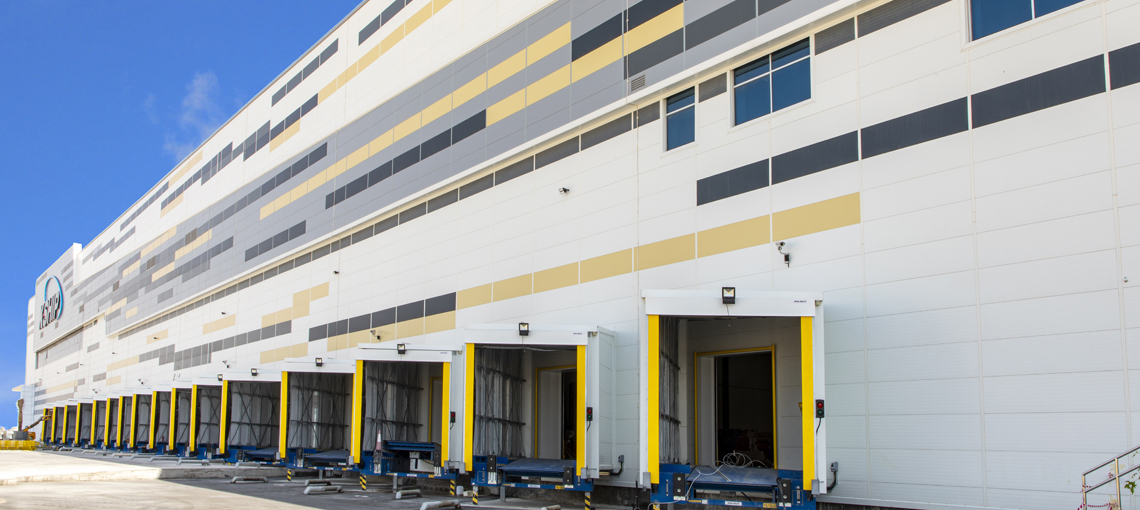
The current construction environment makes managing building noise challenging. Noise control has been a key concern. If you are working on a construction project, it is clear that unwanted noise can disrupt peace. However, sandwich acoustic panels provide an effective noise-control solution. They also offer additional benefits for structural construction efficiency. This article explains how acoustic panels improve noise control in modern buildings.
Understanding the Composition and Acoustic Mechanism
The noise-reduction performance of sandwich panels comes directly from their layered design. The outer faces offer strength and protection. At the same time, the inner material provides the primary insulating functions. The main properties of acoustic panels are given below.
- Layered panel design.
- Core sound absorption.
- Reduced noise transmission.
- Density affects performance.
- Thickness improves insulation.
- External noise reduction.
The standard core materials are polyisocyanurate, polyurethane foam, and mineral wool. In order to be acoustically efficient, the core absorbs the sound waves.
Sound Transmission and Reverberation Control
These determine a panel’s ability to block airborne noise. Numerous configurations are rated for environments requiring moderate to significant noise reduction. Panels with mineral wool cores perform exceptionally well due to their fibrous structure.
Ensure the following infrastructure qualities with good STC ratings.
- STC rating management.
- Airborne sound blocking.
- Mineral wool efficiency.
- Conversation privacy ensured.
- Reverberation control achieved.
- Balanced room acoustics.
Besides, they aid in the suppression of reverberation in spaces. When sound is bounced off hard surfaces, reverberation takes place. Sound energy in the sandwich panel is absorbed by the cores, and the acoustic space is balanced.
Integration with the Fire Security Requirements
Many designs function as fire-resistant wall systems that help contain fire spread. This is an excellent feature for strict building construction requirements. Meet the following parameters simultaneously:
- Fire-rated wall systems.
- Non-combustible core material.
- Extended fire resistance.
- Dual performance benefits.
- Regulatory compliance simplified.
Note that fire-resistant materials often improve sound insulation due to their high density. Therefore, when upgrading your existing system, choosing panels that serve dual purposes will help you comply with the law. It also improves your material selection for a new building.
Applications Across Building Types
The enclosure is a component that protects residents from urban noise while conserving energy. Industries use acoustic barriers to reduce operational noise. They also protect workers and nearby communities. Benefits of acoustics and thermal insulation:
- Commercial noise shielding.
- Industrial sound containment.
- Cold storage insulation.
- Residential rapid assembly
- Urban area suitability.
- Quality standard adherence.
Factors Influencing Mechanical and Acoustic Performance
Sandwich panels are not large but strong enough to be installed easily without affecting the structural integrity. This feature of design is an indirect means of controlling noise since it minimizes vibrations that transmit sound.
Perks of a great design:
- Lightweight design.
- Easy panel installation.
- Vibration minimization achieved.
- Core thickness adjustment.
- Facing material variation.
- Acoustic property tuning
When choosing materials for a given project, review the manufacturer’s specifications. This will help you make the most suitable decisions to support your noise-reduction requirements.
Alignment with Sustainability Goals
Modern sandwich panels align with the increasing focus on green construction. They often incorporate recycled components, helping reduce energy use. Incorporating these into sustainable designs can further improve customer satisfaction.
How fire-rated interior walls are more sustainable:
- Recyclable panel components.
- Reduced energy consumption.
- Sustainable construction alignment.
- Occupant satisfaction improved.
- Noise regulation compliance.
- Flexible surface finishes.
It could lead to higher occupancy levels or increased property value. When you live in areas with noise pollution rules, these panels make it easy to comply.
Achieve Noise Control In Your Infrastructure
If you are seeking dependable sandwich panels, explore TSSC Group. The firm prioritizes both acoustic performance and fire safety. They offer a range of weatherproofed panels made from high-quality materials. Benefits of consulting TSSC Group:
- High-quality noise control.
- Thermal insulation.
- Control noise effectively.
- Decades of expertise.
- Positive ratings and more.
- From industries to residential areas.
You can take advantage of these features when you work with TSSC Group. Learn about the best acoustic panel services available from the reputable group.
Conclusion
Sandwich panels provide an effective way to improve noise reduction in modern structures. Their layered appearance and compliance with fire safety standards make it an ideal option. Moreover, it is suitable for modern construction regardless of infrastructure.
Therefore, by carefully considering their characteristics, you can design spaces that emphasize security. Finally, contact TSSC Group to discuss fire-rated interior wall solutions for your project.
FAQs
What are the most commonly used materials?
The most common cores are listed below.
- PIR.
- PUF.
- Mineral wool.
How can sandwich panels be used to achieve fire-rated interior walls?
Panels with a non-combustible core offer fire protection. TSSC Panels with rockwool insulation can offer upto 4 hrs Fire resistance, depending on the panel system, thickness, and density.
What is the standard STC score?
STC ratings generally range from 30 to 50. It depends on the panel design and helps to reduce audio transmission.
Do sandwich panels work for construction and remodeling projects?
They’re versatile in terms of installation speed and integration with existing structures.
 Call Us on :
