


How Standing Seam Roofs Perform Under Extreme Weather Conditions
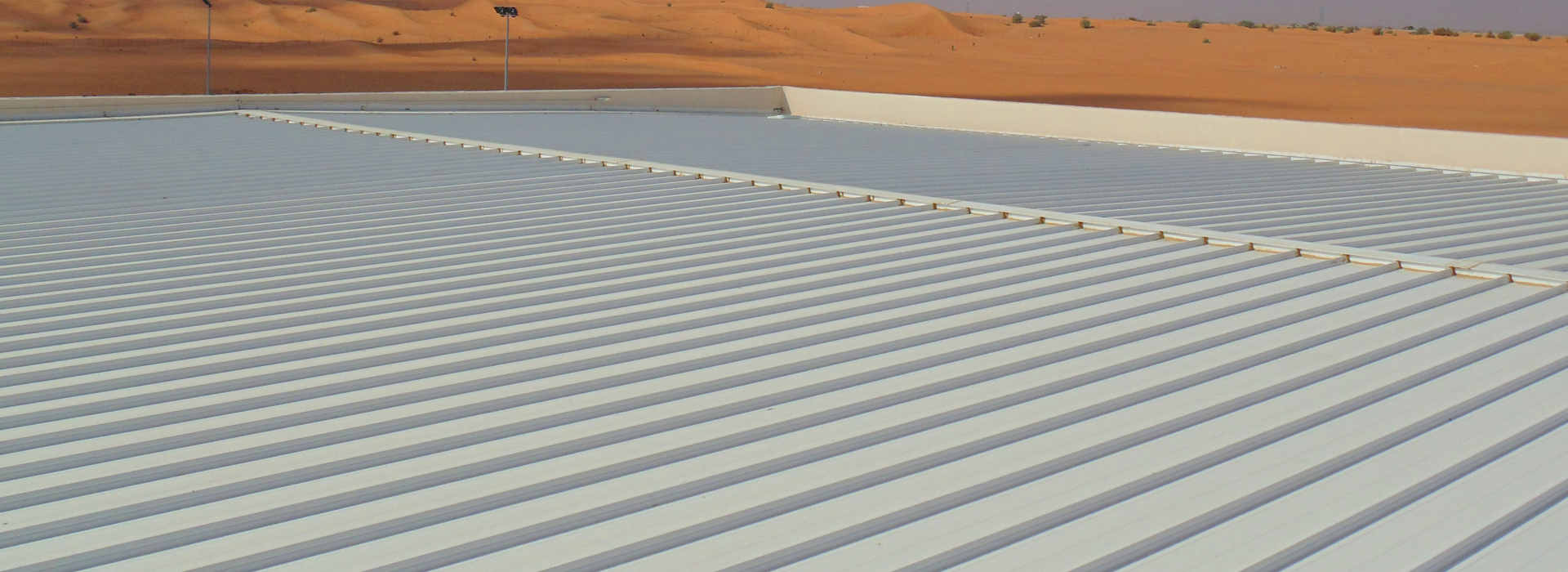
Harsh weather tests every part of a building. Roofs face the most intense forces. Heat, heavy rain, winds, and snow all attack the surface first. That is why material choice matters. Standing-seam roofs are the perfect option for regions with harsh climate conditions. Their design supports strength and long-term protection. Many architects now treat them as reliable weather-resistant roofing systems for industrial, commercial, and modern residential projects.
This blog explains how these roofs perform under extreme weather conditions. It focuses on structure, materials, and real performance factors.
What Makes Standing Seam Roofs Different
Standing seam roofs have vertical metal panels joined by extended seams. These seams run from peak to eave. The fasteners stay hidden under the panels, and the design reduces weak points.
The metal panels expand and contract freely. Temperature changes are less likely to cause surface cracking. That flexibility supports performance in intense heat and cold.
Key design features include:
- Raised seams that block water entry.
- Concealed fasteners that reduce rust-prone points.
- Long metal panels that reduce joint failure.
These characteristics place standing-seam systems among the most trusted, weather-resistant roofing systems in adverse conditions.
Performance During Heavy Rain and Storms
Rain tests drainage and sealing. Flat or exposed-fastener roofs often fail here. Water pools and seeps through the joints. Standing-seam roofs shed water quickly due to their smooth panel surfaces. The raised seams prevent lateral water movement. Even wind-driven rain struggles to cross seam height. Hidden fasteners reduce penetration points.
During storms, roofs are subjected to pressure changes. Panels on standing-seam systems lock into place via mechanical or snap-lock seams. This limits panel lift. These weather-resistant roofing reduce leaks in areas with heavy rainfall.
Wind Resistance and Uplift Control
High winds create uplift forces and roofs peel off layer by layer. Standing-seam roofs resist uplift due to the continuous attachment along the seams. Clip systems anchor panels while allowing them to move. This balance matters during high-wind storms.
Benefits during high wind events:
- Strong seam interlocking.
- Continuous panel support.
- Reduced edge lifting.
Many testing standards rate standing seam systems highly for wind resistance. This performance supports their role as advanced weather-resistant roofing systems.
Heat and Sun Exposure Handling
Extreme heat weakens many roofing materials. Asphalt softens, coatings crack, and metal behaves differently. Standing-seam roofs reflect sunlight when coated with light-reflective finishes. Thermal movement causes expansion. Poor systems can buckle under this stress. Standing seam panels move along clips without damage.
Heat-related advantages include:
- Stable surface under direct sun.
- Reduced thermal fatigue.
- Lower heat transfer into interiors.
Buildings in hot zones benefit from these traits. Standing seam roofs support energy efficiency when paired with insulation systems.
Cold Weather and Snow Load Performance
Cold climates introduce different risks. Snow buildup adds weight and dams trap moisture. Freeze-thaw cycles crack weak roofs. Metal sheds snow faster than textured materials. Standing-seam roofs reduce snow retention due to their smooth panels. This reduces structural load. Raised seams guide melting snow downward, limiting lateral water movement. Ice buildup near seams stays limited.
Cold climate benefits:
- Faster snow shedding.
- Lower ice dam risk.
- Stable seams under freezing temperatures.
As weather-resistant roofing systems, standing seam designs withstand cold stress without material breakdown.
Hail Impact and Surface Durability
Hail strikes with force, and some materials shatter. Others dent deeply. Metal reacts differently based on thickness and layer. Standing seam roofs made from steel or aluminum stops puncture. Cosmetic dents may appear but structural integrity stays unchanged.
Protective coatings also help to reduce exterior marking and corrosion aftereffects. Metal standing seam systems provide consistent protection in regions with frequent hailstorms.
Corrosion Resistance in Coastal and Industrial Zones
Salt air and pollutants accelerate deterioration. Exposed fasteners rust first. Once decay starts, leaks follow. Standing seam designs conceal fasteners. Protective coatings shield metal surfaces. This combination slows material decay.
In shore or industrial environments, weather-resistant roofing systems must withstand chemical exposure. Standing seam roofs meet this need when paired with proper coatings. TSSC supplies metal roofing systems for demanding environments.
Maintenance Needs After Extreme Weather
All roofs need inspection after severe weather. Standing-seam systems decrease repair frequency by reducing the number of failure points.
Post-storm checks usually involve:
- Panel alignment review.
- Seam integrity inspection.
- Drainage clearance.
Repairs stay small if damage occurs, reducing costs. Standing seam roofs maintain performance with less maintenance than other roofing systems.
Long-Term Performance and Lifecycle Value
Extreme weather shortens the roof’s service life and increases repair costs. Standing-seam roofs deliver a long life. Metal panels resist UV damage. Coatings extend surface life, and structural performance remains stable over decades.
Many projects choose standing seam systems for this reason. They provide predictable performance across climate extremes. TSSC integrates standing seam roofing into broader building envelope solutions. This supports durability and climate adaptability.
Why Architects and Engineers Prefer Standing Seam Roofs
Design professionals recognize that extreme weather increases structural risk. Standing seam roofs reduce uncertainty. They support modern design while meeting performance demands. Their clean lines also fit contemporary architecture.
Preference factors include:
- Proven storm resistance.
- Adaptability across climates.
- Long-term cost control.
Conclusion
Extreme weather continues to challenge buildings worldwide. Roof systems must be strong and flexible. Standing-seam roofs reduce weak points and support material movement. As weather-resistant roofing systems, they provide consistent protection across climate zones. With proper material choice and installation, these roofs reduce risk and extend service life.
TSSC continues to support projects that demand dependable roofing solutions built for real weather conditions.
Choose roofing systems that remain stable under extreme weather conditions.
Speak with our experts today and secure a standing seam roof that protects your building.
 Call Us on :
