


The Rise of Hybrid Construction: Combining Steel Structures with Prefab Modules
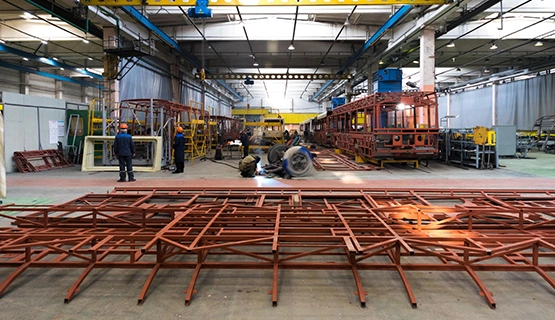
Contemporary building techniques, such as hybrid construction, have emerged as a reliable option. The method typically combines the strength of steel with the modularity of components. When planning a property, understanding different construction elements helps you make better decisions. Let’s learn about hybrid construction and why it is the future of infrastructure and building solutions.
More About Hybrid Construction
In hybrid construction, steel frameworks serve as the structural base, with prefabricated modules integrated.
Features of hybrid construction:
- Steel framework strength.
- Off-site module assembly.
- Reduced labor needs.
- Minimized material waste.
- Faster project timelines.
- Consistent build quality.
Prefab modules consist of components like flooring, walls, and roofs. When combined with steel, it can result in a minimal construction solution.
Steel Structures and Prefab Modules
The durability and recyclability of steel make it an excellent choice for modern construction projects. Pre-engineered steel structures can be customized for warehouses and manufacturing facilities, while Light Gauge Steel (LGS) structural systems can be integrated with prefabricated modular units for residential, commercial, and educational buildings.
The advantages of hybrid steel and modular construction include:
- Durable and long-lasting steel frameworks.
- High load-bearing capacity.
- Customizable pre-engineered and LGS designs.
- Flexible integration of prefabricated modular units.
- Advanced insulation and thermal performance.
- Improved energy efficiency.
- Reduced construction waste and carbon footprint.
Prefabricated modular units can provide high-performance insulation and faster construction, while LGS framing offers structural flexibility and strength. Combining these systems creates a versatile and sustainable construction approach suitable for a wide range of residential, commercial, educational, industrial, and institutional applications.
The Function of Advanced Core Materials in Sandwich Panels
A significant factor driving the hybrid construction is the desire for sustainable strategies. Sandwich panels consist of two layers, typically metal sheets. It provides both insulation and structural advantages.
Efficient features of advanced core materials for sandwich panels:
- Superior thermal insulation.
- Excellent fire resistance.
- Strong acoustic properties.
- Low thermal conductivity.
- Effective sound absorption.
- Reliable non-combustibility.
Cores with advanced properties offer superior acoustic and thermal performance. If you integrate the panels into a hybrid structure, they serve as roofing components.
Applications Across Various Sectors
These structures are used alongside modular prefabricated units to create a range of structures. This lets you expand quickly or adjust your building’s configuration as requirements grow.
Hybrid construction serves different sectors because of the following reasons:
- Industrial warehouse frames.
- Rapid business expansion.
- Commercial aesthetic flexibility.
- Pre-installed utility systems.
- Seamless system integration.
- Enhanced seismic resistance
Prefab components can include already-installed plumbing and electrical systems. These integrate with steel supports, saving assembly time. Additionally, residential developments benefit from steel, which offers seismic resistance.
Economic Advantages for Your Projects
If modules are manufactured off-site, your risk of weather-related delays is reduced. It also improves factory manufacturing quality. Also, steel structures are strong and have lower transport costs than those of heavier materials.
How hybrid construction saves you money:
- Off-site weather protection.
- Improved quality control.
- Lightweight steel transport.
- Reduced energy bills.
- Lower maintenance costs.
- Strong investment returns.
Panels with polyisocyanurate cores can improve insulation in cold chain logistics facilities. In this way, when you plan your project budget, efficiency gains can yield huge ROI.
Technological Advancements Driving Adoption
Design software enables accurate modeling of steel and prefabricated connections. Moreover, automating the manufacturing of prefab components improves accuracy.
How technology makes hybrid buildings better:
- Precise design modeling.
- Automated module manufacturing.
- Better panel performance.
- Core materials are made from natural resources.
- Improved material recyclability.
- Custom challenge solutions.
Mineral wool, made from natural resources, aligns with sustainability objectives by enabling recycling. When you pick expert suppliers, you can access solutions for specific problems.
Collaboration With Industry Leaders
TSSC Group demonstrates the way hybrid construction can be successfully implemented. Based in the Middle East, they deliver quality steel structures featuring sandwich panels.
Benefits of working with industry leaders:
- Pre-engineered steel expertise.
- Advanced panel integration.
- Lightweight wall systems.
- Modular housing options.
- Seamless durability blend.
- Turnkey project support.
The products they offer include light wall systems and modular housing. They demonstrate the seamless integration of durability and prefabricated performance.
Safety and Compliance of Hybrid Methods
Steel structures are tested to meet stringent international standards. Simultaneously, the basic components of the sandwich panels produce fireproof structures.
What makes the steel and prefab combination effective:
- Rigorous factory testing.
- Fire-rated panel assemblies.
- Enhanced occupant safety.
- Reduced site hazards.
- Smoother regulatory approvals.
You also reduce on-site risk, as most work is performed in controlled settings. Regulators are increasingly accepting hybrid systems as reliable and easy to develop.
Future Outlook for Hybrid Construction
The future of hybrid construction lies in the shift toward flexible building methods. As the population grows, prefabricated steel modules can help overcome space limitations.
The future of hybrid buildings:
- Adaptable building practices.
- Urban space solutions.
- Resource limitation addressing.
- Ongoing core innovations.
- Better insulation performance.
- Competitive project positioning.
Advancements in fundamental materials will continue to improve these solutions. Moreover, working with professionals and evolving will ensure your project remains innovative.
Hybrid Construction With A Reputable Name
If you’re interested in exploring hybrid construction, consider TSSC Group. Their strategies and high-end sandwich panels can help you achieve lasting results.
Benefits of working with TSSC Group:
- Decades of expertise.
- Use of proper methodologies.
- Environmentally-sustainable procedures.
- Positive reviews from thousands of clients
- Innovating the construction market.
Conclusion
Hybrid construction offers a well-balanced solution for modern infrastructure development. It is further improved by the use of advanced materials in sandwich panels. Moreover, it simplifies modern construction. Additionally, hybrid construction can deliver practical gains in efficiency and sustainability. Finally, visit TSSC Group and learn about advanced core materials for sandwich panels.
FAQs
What exactly is hybrid construction?
It is the process of combining steel frameworks with prefabricated components.
The benefits of hybrid construction are as follows:
- Strong.
- Last long.
- Flexible.
How do core materials improve sandwich panel designs?
The latest cores improve the sandwich panel in the following ways:
- Heat protection.
- Insulation.
- Acoustic performance.
In what areas is hybrid construction best suited?
You can utilize hybrid construction in the following areas.
- Commercial warehouses.
- Industrial office buildings.
- Residential areas.
How does hybrid construction support sustainable development?
It uses recyclable materials, such as steel, and an efficient prefabricated method. In this way, hybrid construction reduces environmental impact while promoting efficient designs.
 Call Us on :
