


The Future of Cold Chain Logistics: Role of Modular Cold Rooms in 2026 and Beyond
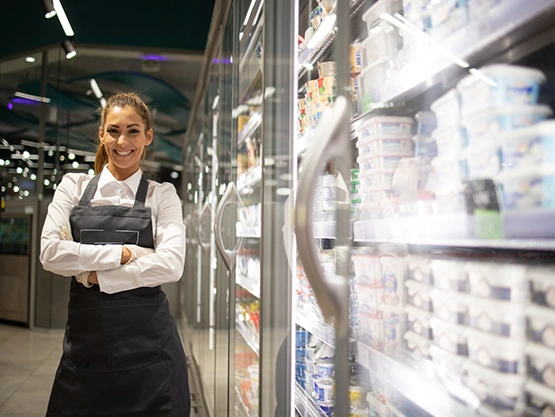
Cold chain logistics continues to evolve as industries demand better temperature control in storage spaces. Modular cold rooms will play a central role in food, pharma, and industrial products by 2026, enabling safe shipping and storage. Businesses no longer want fixed, large structures. Instead, they want cold storage systems that adapt, scale, and perform consistently. Energy efficiency is also a top priority, particularly energy savings from sandwich panels that reduce long-term costs.
This blog explains how modular cold rooms are shaping the future of cold chain logistics, why energy-efficient construction matters, and how cold storage systems are evolving to meet real operational needs.
Why Cold Chain Logistics Needs a New Approach For Cold Storage Systems
Traditional cold storage relied on permanent structures with long build cycles, a model that struggles today. Demand shifts fast, and product volumes change. As compliance rules tighten, cold chain operators need systems that respond without disruption. Modern cold storage systems solve these challenges by offering flexibility and performance.
Modular cold rooms allow operators to expand capacity. They can change layouts and relocate units without rebuilding from scratch. This reduces downtime and supports seasonal or project-based storage needs. Logistics planners expect faster deployment and predictable performance. They want easier maintenance of the cold chain infrastructure. Modular design supports all three.
Modular Cold Rooms and Their Role in Cold Storage Systems
Modular cold rooms function as pre-engineered units that assemble on-site. Panels, doors, and refrigeration components fit together with precision. This standardized structure improves consistency across locations.
Cold storage systems built with modular cold rooms support a range of temperature levels. Operators store fresh produce and chemicals in separate zones. This minimizes cross-contamination. Each module holds its own conditions.
Key advantages include:
- Faster installation compared to conventional builds.
- Easier relocation when operations shift.
- Scalable layouts that grow with demand.
- Lower disruption during expansion.
TSSC integrates these principles into its cold room solutions to support long-term operational planning without forcing rigid infrastructure choices.
Energy Savings with Sandwich Panels in Modern Construction
Energy consumption drives a large share of cold storage costs. Insulation quality directly affects power usage. Energy savings from sandwich panels improve daily operations.
Sandwich panels use an insulating core between durable outer layers. This structure limits heat transfer and stabilizes internal temperatures. Cold storage systems built with these panels reduce compressor workload and maintain steady cooling.
Energy savings with sandwich panels benefit operators in several ways:
- Reduced electricity consumption.
- Lower peak load demand.
- More stable internal temperatures.
- Improved compliance with efficiency standards.
By 2026, rising energy prices will push more facilities toward panel-based construction. We design cold rooms that use high-quality sandwich panels.
Sustainability and Compliance in Cold Chain Logistics
Sustainability now shapes procurement decisions across industries. Cold chain logistics want to reduce emissions while keeping temperature control. Energy savings with sandwich panels help meet sustainability plans. It lowers overall power use. Modular cold rooms also reduce construction waste since components arrive pre-sized and reusable.
Cold storage systems that follow modular standards align better with environmental regulations. Facilities adapt to new rules without major rebuilds. This adaptability supports long-term compliance across regions. Regulatory bodies also focus on temperature monitoring and traceability. Modular cold rooms integrate sensors and control systems that support accurate reporting and audits.
Technology Integration in Cold Storage Systems
Future cold storage systems rely on data-driven control rather than manual checks. Modular cold rooms support this shift by allowing standardized sensor placement and automation.
Integrated systems provide:
- Real-time temperature tracking.
- Alarm alerts for deviations.
- Performance analytics for energy use.
- Remote monitoring across locations.
This control reduces spoilage risk and enhances planning precision. By 2026, cold chain operators will expect these features to be standard rather than optional. We support this evolution by designing cold room structures that integrate smoothly with monitoring and control technologies.
Industry Use Cases Driving Modular Cold Room Demand
Several industries drive demand for advanced cold storage systems, including hotels, restaurants, and food retail facilities, central and cloud kitchens, floriculture and horticultural storage, and fisheries and aquaculture facilities.
- Food and Beverage
Fresh and frozen products require precise storage conditions. Modular cold rooms support seasonal volume changes without permanent expansion.
- Pharmaceuticals
Vaccines and biologics demand strict temperature control. Modular systems allow isolated zones with independent monitoring.
- Logistics and Distribution
Third-party logistics providers manage diverse goods. Modular layouts support mixed-use storage without cross-contamination. Across these sectors, energy savings with sandwich panels reduce operating costs while maintaining product integrity.
How Modular Design Reduces Long-Term Risk
Cold chain investments carry long-term risk when demand forecasts change. Modular cold rooms reduce this risk by keeping infrastructure flexible. Operators avoid overbuilding and add capacity when needed. They relocate systems when contracts change. So, cold storage systems remain assets rather than liabilities.
This risk reduction becomes more important as markets become more unpredictable. By 2026, adaptability will define successful cold chain operations. TSSC approaches cold room design with this long-term view, focusing on flexibility and efficiency rather than fixed assumptions.
Preparing for Cold Chain Logistics Beyond 2026
The future of cold chain logistics favors systems that combine efficiency and adaptability. Modular cold spaces meet these needs without forcing compromise.
Energy savings with sandwich panels reduce operational strain. Smart cold storage systems improve visibility and compliance. Modular layouts protect investments against change. As supply chains evolve, so must infrastructure. Cold storage solutions must support growth without excess.
Conclusion
Cold chain logistics will continue to demand smarter infrastructure as industries expand and restrictions tighten. Modular cold rooms provide a practical path forward. They support flexible cold storage systems while delivering energy savings. These benefits help businesses control costs and maintain compliance. TSSC focuses on solutions that align with this future. It supports reliable cold storage without rigid limits.
Plan your cold storage with long-term efficiency in mind. Explore TSSC’s modular cold room solutions to support scalable cold storage systems. Get proven energy savings with sandwich panels. Build infrastructure that works today and adapts tomorrow.
 Call Us on :
