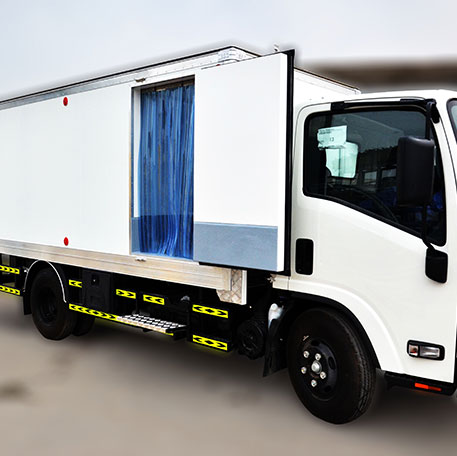
The Science Behind Refrigerated Truck Body Durability: What Makes a High-Quality Box

The body of your refrigerated truck must be really reliable to guarantee the quality of goods. A refrigerated truck with a sound structure not only operates like a container. It is a manufactured product that is engineered to withstand the requirements of temperature-controlled transport. Therefore, understanding the scientific principles behind a refrigerated truck body can help your business grow. This includes examining the material and performance aspects.

The Role of Advanced Sandwich Panels

The panels consist of an interlocking structure with two outer layers covering an inner layer. All these layers are designed to resist heat transfer. The research underpinning this focuses on the properties of an insulator. 

Benefits of opting for a refrigerated truck body with advanced sandwich panels:

  • Advanced sandwich panels.
  • Superior thermal insulation.
  • High mechanical strength.
  • Strong bonding process.
  • Resistance to delamination.
  • Fire and hygiene standards.

Heat resistance can be quantified using the R-value. Higher numbers indicate superior performance in maintaining internal temperatures under external changes. 

Construction Techniques for Longevity and Performance

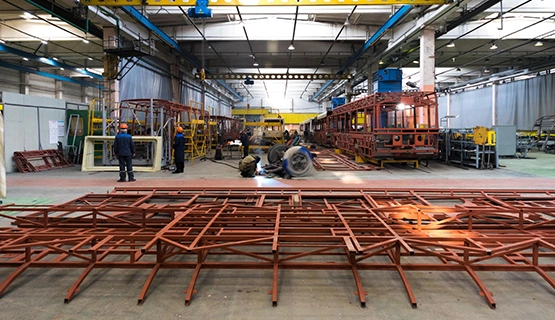
The construction of a refrigerator truck body is an engineering process that improves quality. Prefabricated parts enable consistent quality control. Meanwhile, steel frames support the skeletal structure.

The following techniques stop the rusting process:

  • Prefabricated component assembly.
  • Consistent quality control.
  • Protective steel coatings.
  • Isothermal design principles.
  • Reduced thermal bridges.
  • Even temperature distribution.

The most significant scientific element here is the incorporation of design principles. These are based on isothermal conditions. It reduces the number of thermal bridges, places where heat escapes insulation.

Insulation and Thermal Efficient Technologies

Beyond the basic materials that comprise advanced sandwich panels, other components prevent moisture from entering. The thermal conductivity of the insulation material is minimized. 

The following methods allow for thermal efficiency:

  • Vapor barrier protection.
  • Effective moisture sealants.
  • Low thermal conductivity.
  • Extreme climate resilience.
  • Stable temperature maintenance.
  • Cold chain compliance.

The low conductivity ensures the refrigerated truck body can maintain the temperature. It accounts for the most extreme conditions. As the operator, you must comply with regulations for cold chain logistics.

Ensuring Structural Integrity

The box’s structural integrity is another aspect of robustness. It involves calculations for load-bearing as well as materials science. When combined with advanced sandwich panels, steel delivers excellent performance. 

How advanced sandwich panels improve the structural integrity:

  • Load-bearing calculations.
  • Pre-engineered steel elements.
  • Optimal strength-to-weight ratio.
  • Improved fuel efficiency.
  • Finite element analysis.
  • Extended service life.

This improves the performance of the fuel you use in your fleet. It’s because lightweight vehicles use less energy. Over time, this engineering approach can extend service intervals and overall vehicle lifespan.

Corrosion Resistance and Environmental Protection

A stronger corrosion resistance further increases longevity. Hot-dip galvanizing is the process of applying a zinc coating to steel parts. Moreover, electrochemical processes here involve zinc as an anode to protect the cathode steel against oxidation. 

Perks of having corrosion resistance:

  • Hot-dip galvanizing process.
  • Sacrificial zinc barrier.
  • Electrochemical corrosion protection.
  • Complementary powder coatings.
  • Reduced repair needs.
  • Lower ownership costs.

It is further enhanced by the use of special coatings and powders that are applied to the exterior surfaces of the sandwich panel. You can reduce the need for routine maintenance after purchasing a refrigerated truck body.

Operational Reliability

It is linked to endurance by reducing the strain on the equipment. The high-quality insulation panels lessen the strain on refrigeration compressors.

The importance of energy efficiency for operations:

  • Reduced compressor workload.
  • Fewer mechanical failures.
  • Managed heat transfer.
  • Reflective surface integration.
  • Airtight seal effectiveness.
  • Reliable route performance.

The reflective surface can control the conduction process. Moreover, the seals are airtight to ensure your vehicle operates reliably.

Get solutions from industry experts.

When evaluating options for a high-quality refrigerated truck, consider TSSC Group. With over five decades of expertise, TSSC Group provides transforming solutions.

Benefits of working with TSSC Group:

  • Expert manufacturing experience.
  • Tailored cold chain solutions.
  • Advanced panel range.
  • Superior durability design.
  • Efficient performance options.
  • Customized turnkey services.

Lastly, contact TSSC Group to explore their range of advanced sandwich panels. It also includes refrigerated truck bodies with superior durability and efficiency. 

Conclusion

The durability of a refrigerated truck depends on the combination of technology and design. With advanced sandwich panels, you can create the best solution for your needs. Moreover, the right choice now will help you succeed within the logistics environment. Finally, the TSSC Group can assist you in designing an excellent body with advanced sandwich panels.

FAQs


What function do sandwich panel systems play?

Superior sandwich panels serve different roles, as listed below.

  • Improve durability.
  • Greater insulation.
  • Structural toughness.

What is the role of corrosion resistance?

It plays two critical roles for trucks that are listed below.

  • Shields steel parts from damage.
  • Increase the time of service.

How important is insulation technology for a refrigerated truck body?

Insulation technology reduces thermal conductivity. Moreover, it maintains a constant internal temperature for transport.

Which construction techniques ensure the structural integrity?

The following techniques ensure the robustness of the refrigerated truck body.

  • Prefabricated assemblies.
  • Pre-engineered steel frameworks.
  • Integrated panels.

How Standing Seam Roofs Perform Under Extreme Weather Conditions

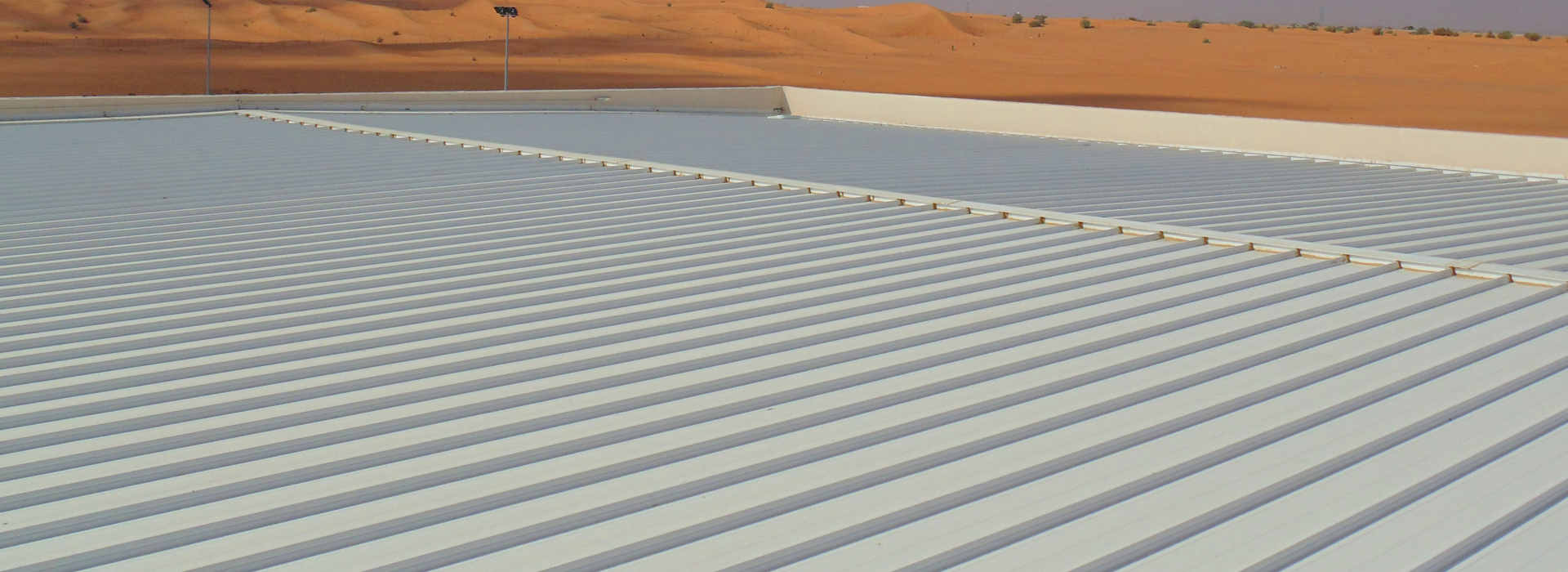
Harsh weather tests every part of a building. Roofs face the most intense forces. Heat, heavy rain, winds, and snow all attack the surface first. That is why material choice matters. Standing-seam roofs are the perfect option for regions with harsh climate conditions. Their design supports strength and long-term protection. Many architects now treat them as reliable weather-resistant roofing systems for industrial, commercial, and modern residential projects.

This blog explains how these roofs perform under extreme weather conditions. It focuses on structure, materials, and real performance factors.

What Makes Standing Seam Roofs Different

Standing seam roofs have vertical metal panels joined by extended seams. These seams run from peak to eave. The fasteners stay hidden under the panels, and the design reduces weak points.

The metal panels expand and contract freely. Temperature changes are less likely to cause surface cracking. That flexibility supports performance in intense heat and cold.

Key design features include:

  • Raised seams that block water entry.
  • Concealed fasteners that reduce rust-prone points.
  • Long metal panels that reduce joint failure.

These characteristics place standing-seam systems among the most trusted, weather-resistant roofing systems in adverse conditions.

Performance During Heavy Rain and Storms

Rain tests drainage and sealing. Flat or exposed-fastener roofs often fail here. Water pools and seeps through the joints. Standing-seam roofs shed water quickly due to their smooth panel surfaces. The raised seams prevent lateral water movement. Even wind-driven rain struggles to cross seam height. Hidden fasteners reduce penetration points.

During storms, roofs are subjected to pressure changes. Panels on standing-seam systems lock into place via mechanical or snap-lock seams. This limits panel lift. These weather-resistant roofing reduce leaks in areas with heavy rainfall.

Wind Resistance and Uplift Control

High winds create uplift forces and roofs peel off layer by layer. Standing-seam roofs resist uplift due to the continuous attachment along the seams. Clip systems anchor panels while allowing them to move. This balance matters during high-wind storms.

Benefits during high wind events:

  • Strong seam interlocking.
  • Continuous panel support.
  • Reduced edge lifting.

Many testing standards rate standing seam systems highly for wind resistance. This performance supports their role as advanced weather-resistant roofing systems.

Heat and Sun Exposure Handling

Extreme heat weakens many roofing materials. Asphalt softens, coatings crack, and metal behaves differently. Standing-seam roofs reflect sunlight when coated with light-reflective finishes. Thermal movement causes expansion. Poor systems can buckle under this stress. Standing seam panels move along clips without damage.

Heat-related advantages include:

  • Stable surface under direct sun.
  • Reduced thermal fatigue.
  • Lower heat transfer into interiors.

Buildings in hot zones benefit from these traits. Standing seam roofs support energy efficiency when paired with insulation systems.

Cold Weather and Snow Load Performance

Cold climates introduce different risks. Snow buildup adds weight and dams trap moisture. Freeze-thaw cycles crack weak roofs. Metal sheds snow faster than textured materials. Standing-seam roofs reduce snow retention due to their smooth panels. This reduces structural load. Raised seams guide melting snow downward, limiting lateral water movement. Ice buildup near seams stays limited.

Cold climate benefits:

  • Faster snow shedding.
  • Lower ice dam risk.
  • Stable seams under freezing temperatures.

As weather-resistant roofing systems, standing seam designs withstand cold stress without material breakdown.

Hail Impact and Surface Durability

Hail strikes with force, and some materials shatter. Others dent deeply. Metal reacts differently based on thickness and layer. Standing seam roofs made from steel or aluminum stops puncture. Cosmetic dents may appear but structural integrity stays unchanged.

Protective coatings also help to reduce exterior marking and corrosion aftereffects. Metal standing seam systems provide consistent protection in regions with frequent hailstorms.

Corrosion Resistance in Coastal and Industrial Zones

Salt air and pollutants accelerate deterioration. Exposed fasteners rust first. Once decay starts, leaks follow. Standing seam designs conceal fasteners. Protective coatings shield metal surfaces. This combination slows material decay.

In shore or industrial environments, weather-resistant roofing systems must withstand chemical exposure. Standing seam roofs meet this need when paired with proper coatings. TSSC supplies metal roofing systems for demanding environments. 

Maintenance Needs After Extreme Weather

All roofs need inspection after severe weather. Standing-seam systems decrease repair frequency by reducing the number of failure points.

Post-storm checks usually involve:

  • Panel alignment review.
  • Seam integrity inspection.
  • Drainage clearance.

Repairs stay small if damage occurs, reducing costs. Standing seam roofs maintain performance with less maintenance than other roofing systems.

Long-Term Performance and Lifecycle Value

Extreme weather shortens the roof’s service life and increases repair costs. Standing-seam roofs deliver a long life. Metal panels resist UV damage. Coatings extend surface life, and structural performance remains stable over decades.

Many projects choose standing seam systems for this reason. They provide predictable performance across climate extremes. TSSC integrates standing seam roofing into broader building envelope solutions. This supports durability and climate adaptability.

Why Architects and Engineers Prefer Standing Seam Roofs

Design professionals recognize that extreme weather increases structural risk. Standing seam roofs reduce uncertainty. They support modern design while meeting performance demands. Their clean lines also fit contemporary architecture.

Preference factors include:

  • Proven storm resistance.
  • Adaptability across climates.
  • Long-term cost control.

Conclusion

Extreme weather continues to challenge buildings worldwide. Roof systems must be strong and flexible. Standing-seam roofs reduce weak points and support material movement. As weather-resistant roofing systems, they provide consistent protection across climate zones. With proper material choice and installation, these roofs reduce risk and extend service life.

TSSC continues to support projects that demand dependable roofing solutions built for real weather conditions.

Choose roofing systems that remain stable under extreme weather conditions.

Speak with our experts today and secure a standing seam roof that protects your building.

The Rise of Hybrid Construction: Combining Steel Structures with Prefab Modules

Contemporary building techniques, such as hybrid construction, have emerged as a reliable option. The method typically combines the strength of steel with the modularity of components. When planning a property, understanding different construction elements helps you make better decisions. Let’s learn about hybrid construction and why it is the future of infrastructure and building solutions.

More About Hybrid Construction

In hybrid construction, steel frameworks serve as the structural base, with prefabricated modules integrated.

Features of hybrid construction:

  • Steel framework strength.
  • Off-site module assembly.
  • Reduced labor needs.
  • Minimized material waste.
  • Faster project timelines.
  • Consistent build quality.

Prefab modules consist of components like flooring, walls, and roofs. When combined with steel, it can result in a minimal construction solution.


Steel Structures and Prefab Modules

The durability and recyclability of steel make it an excellent choice for modern construction projects. Pre-engineered steel structures can be customized for warehouses and manufacturing facilities, while Light Gauge Steel (LGS) structural systems can be integrated with prefabricated modular units for residential, commercial, and educational buildings.

The advantages of hybrid steel and modular construction include:

  • Durable and long-lasting steel frameworks.
  • High load-bearing capacity.
  • Customizable pre-engineered and LGS designs.
  • Flexible integration of prefabricated modular units.
  • Advanced insulation and thermal performance.
  • Improved energy efficiency.
  • Reduced construction waste and carbon footprint.

Prefabricated modular units can provide high-performance insulation and faster construction, while LGS framing offers structural flexibility and strength. Combining these systems creates a versatile and sustainable construction approach suitable for a wide range of residential, commercial, educational, industrial, and institutional applications.


The Function of Advanced Core Materials in Sandwich Panels

A significant factor driving the hybrid construction is the desire for sustainable strategies. Sandwich panels consist of two layers, typically metal sheets. It provides both insulation and structural advantages. 

Efficient features of advanced core materials for sandwich panels:

  • Superior thermal insulation.
  • Excellent fire resistance.
  • Strong acoustic properties.
  • Low thermal conductivity.
  • Effective sound absorption.
  • Reliable non-combustibility.

Cores with advanced properties offer superior acoustic and thermal performance. If you integrate the panels into a hybrid structure, they serve as roofing components.


Applications Across Various Sectors

These structures are used alongside modular prefabricated units to create a range of structures. This lets you expand quickly or adjust your building’s configuration as requirements grow. 

Hybrid construction serves different sectors because of the following reasons:

  • Industrial warehouse frames.
  • Rapid business expansion.
  • Commercial aesthetic flexibility.
  • Pre-installed utility systems.
  • Seamless system integration.
  • Enhanced seismic resistance

Prefab components can include already-installed plumbing and electrical systems. These integrate with steel supports, saving assembly time. Additionally, residential developments benefit from steel, which offers seismic resistance.


Economic Advantages for Your Projects

If modules are manufactured off-site, your risk of weather-related delays is reduced. It also improves factory manufacturing quality. Also, steel structures are strong and have lower transport costs than those of heavier materials.

How hybrid construction saves you money:

  • Off-site weather protection.
  • Improved quality control.
  • Lightweight steel transport.
  • Reduced energy bills.
  • Lower maintenance costs.
  • Strong investment returns.

Panels with polyisocyanurate cores can improve insulation in cold chain logistics facilities. In this way, when you plan your project budget, efficiency gains can yield huge ROI.


Technological Advancements Driving Adoption

Design software enables accurate modeling of steel and prefabricated connections.  Moreover, automating the manufacturing of prefab components improves accuracy.

How technology makes hybrid buildings better:

  • Precise design modeling.
  • Automated module manufacturing.
  • Better panel performance.
  • Core materials are made from natural resources.
  • Improved material recyclability.
  • Custom challenge solutions.

Mineral wool, made from natural resources, aligns with sustainability objectives by enabling recycling. When you pick expert suppliers, you can access solutions for specific problems.


Collaboration With Industry Leaders

TSSC Group demonstrates the way hybrid construction can be successfully implemented. Based in the Middle East, they deliver quality steel structures featuring sandwich panels.

Benefits of working with industry leaders:

  • Pre-engineered steel expertise.
  • Advanced panel integration.
  • Lightweight wall systems.
  • Modular housing options.
  • Seamless durability blend.
  • Turnkey project support.

The products they offer include light wall systems and modular housing. They demonstrate the seamless integration of durability and prefabricated performance. 


Safety and Compliance of Hybrid Methods

Steel structures are tested to meet stringent international standards. Simultaneously, the basic components of the sandwich panels produce fireproof structures. 

What makes the steel and prefab combination effective:

  • Rigorous factory testing.
  • Fire-rated panel assemblies.
  • Enhanced occupant safety.
  • Reduced site hazards.
  • Smoother regulatory approvals.

You also reduce on-site risk, as most work is performed in controlled settings. Regulators are increasingly accepting hybrid systems as reliable and easy to develop.


Future Outlook for Hybrid Construction

The future of hybrid construction lies in the shift toward flexible building methods. As the population grows, prefabricated steel modules can help overcome space limitations.

The future of hybrid buildings:

  • Adaptable building practices.
  • Urban space solutions.
  • Resource limitation addressing.
  • Ongoing core innovations.
  • Better insulation performance.
  • Competitive project positioning.

Advancements in fundamental materials will continue to improve these solutions. Moreover, working with professionals and evolving will ensure your project remains innovative.


Hybrid Construction With A Reputable Name

If you’re interested in exploring hybrid construction, consider TSSC Group. Their strategies and high-end sandwich panels can help you achieve lasting results. 

Benefits of working with TSSC Group:

  • Decades of expertise.
  • Use of proper methodologies.
  • Environmentally-sustainable procedures.
  • Positive reviews from thousands of clients
  • Innovating the construction market.

Conclusion

Hybrid construction offers a well-balanced solution for modern infrastructure development. It is further improved by the use of advanced materials in sandwich panels. Moreover, it simplifies modern construction. Additionally, hybrid construction can deliver practical gains in efficiency and sustainability. Finally, visit TSSC Group and learn about advanced core materials for sandwich panels.


FAQs


What exactly is hybrid construction?

It is the process of combining steel frameworks with prefabricated components.

The benefits of hybrid construction are as follows:

  • Strong.
  • Last long.
  • Flexible.


How do core materials improve sandwich panel designs?

The latest cores improve the sandwich panel in the following ways:

  • Heat protection.
  • Insulation.
  • Acoustic performance.


In what areas is hybrid construction best suited?

You can utilize hybrid construction in the following areas.

  • Commercial warehouses.
  • Industrial office buildings.
  • Residential areas.


How does hybrid construction support sustainable development?

It uses recyclable materials, such as steel, and an efficient prefabricated method. In this way, hybrid construction reduces environmental impact while promoting efficient designs.

The Future of Cold Chain Logistics: Role of Modular Cold Rooms in 2026 and Beyond

Cold chain logistics continues to evolve as industries demand better temperature control in storage spaces. Modular cold rooms will play a central role in food, pharma, and industrial products by 2026, enabling safe shipping and storage. Businesses no longer want fixed, large structures. Instead, they want cold storage systems that adapt, scale, and perform consistently. Energy efficiency is also a top priority, particularly energy savings from sandwich panels that reduce long-term costs.

This blog explains how modular cold rooms are shaping the future of cold chain logistics, why energy-efficient construction matters, and how cold storage systems are evolving to meet real operational needs.


Why Cold Chain Logistics Needs a New Approach For Cold Storage Systems

Traditional cold storage relied on permanent structures with long build cycles, a model that struggles today. Demand shifts fast, and product volumes change. As compliance rules tighten, cold chain operators need systems that respond without disruption. Modern cold storage systems solve these challenges by offering flexibility and performance.

Modular cold rooms allow operators to expand capacity. They can change layouts and relocate units without rebuilding from scratch. This reduces downtime and supports seasonal or project-based storage needs. Logistics planners expect faster deployment and predictable performance. They want easier maintenance of the cold chain infrastructure. Modular design supports all three.


Modular Cold Rooms and Their Role in Cold Storage Systems

Modular cold rooms function as pre-engineered units that assemble on-site. Panels, doors, and refrigeration components fit together with precision. This standardized structure improves consistency across locations.

Cold storage systems built with modular cold rooms support a range of temperature levels. Operators store fresh produce and chemicals in separate zones. This minimizes cross-contamination. Each module holds its own conditions.

Key advantages include:

  • Faster installation compared to conventional builds.
  • Easier relocation when operations shift.
  • Scalable layouts that grow with demand.
  • Lower disruption during expansion.

TSSC integrates these principles into its cold room solutions to support long-term operational planning without forcing rigid infrastructure choices.


Energy Savings with Sandwich Panels in Modern Construction

Energy consumption drives a large share of cold storage costs. Insulation quality directly affects power usage. Energy savings from sandwich panels improve daily operations.

Sandwich panels use an insulating core between durable outer layers. This structure limits heat transfer and stabilizes internal temperatures. Cold storage systems built with these panels reduce compressor workload and maintain steady cooling.

Energy savings with sandwich panels benefit operators in several ways:

  • Reduced electricity consumption.
  • Lower peak load demand.
  • More stable internal temperatures.
  • Improved compliance with efficiency standards.

By 2026, rising energy prices will push more facilities toward panel-based construction. We design cold rooms that use high-quality sandwich panels.


Sustainability and Compliance in Cold Chain Logistics

Sustainability now shapes procurement decisions across industries. Cold chain logistics want to reduce emissions while keeping temperature control. Energy savings with sandwich panels help meet sustainability plans. It lowers overall power use. Modular cold rooms also reduce construction waste since components arrive pre-sized and reusable.

Cold storage systems that follow modular standards align better with environmental regulations. Facilities adapt to new rules without major rebuilds. This adaptability supports long-term compliance across regions. Regulatory bodies also focus on temperature monitoring and traceability. Modular cold rooms integrate sensors and control systems that support accurate reporting and audits.


Technology Integration in Cold Storage Systems

Future cold storage systems rely on data-driven control rather than manual checks. Modular cold rooms support this shift by allowing standardized sensor placement and automation.

Integrated systems provide:

  • Real-time temperature tracking.
  • Alarm alerts for deviations.
  • Performance analytics for energy use.
  • Remote monitoring across locations.

This control reduces spoilage risk and enhances planning precision. By 2026, cold chain operators will expect these features to be standard rather than optional. We support this evolution by designing cold room structures that integrate smoothly with monitoring and control technologies.


Industry Use Cases Driving Modular Cold Room Demand

Several industries drive demand for advanced cold storage systems, including hotels, restaurants, and food retail facilities, central and cloud kitchens, floriculture and horticultural storage, and fisheries and aquaculture facilities.

  1. Food and Beverage

Fresh and frozen products require precise storage conditions. Modular cold rooms support seasonal volume changes without permanent expansion.

  1. Pharmaceuticals

Vaccines and biologics demand strict temperature control. Modular systems allow isolated zones with independent monitoring.

  1. Logistics and Distribution

Third-party logistics providers manage diverse goods. Modular layouts support mixed-use storage without cross-contamination. Across these sectors, energy savings with sandwich panels reduce operating costs while maintaining product integrity.


How Modular Design Reduces Long-Term Risk

Cold chain investments carry long-term risk when demand forecasts change. Modular cold rooms reduce this risk by keeping infrastructure flexible. Operators avoid overbuilding and add capacity when needed. They relocate systems when contracts change. So, cold storage systems remain assets rather than liabilities.

This risk reduction becomes more important as markets become more unpredictable. By 2026, adaptability will define successful cold chain operations. TSSC approaches cold room design with this long-term view, focusing on flexibility and efficiency rather than fixed assumptions.


Preparing for Cold Chain Logistics Beyond 2026

The future of cold chain logistics favors systems that combine efficiency and adaptability. Modular cold spaces meet these needs without forcing compromise.

Energy savings with sandwich panels reduce operational strain. Smart cold storage systems improve visibility and compliance. Modular layouts protect investments against change. As supply chains evolve, so must infrastructure. Cold storage solutions must support growth without excess.


Conclusion

Cold chain logistics will continue to demand smarter infrastructure as industries expand and restrictions tighten. Modular cold rooms provide a practical path forward. They support flexible cold storage systems while delivering energy savings. These benefits help businesses control costs and maintain compliance. TSSC focuses on solutions that align with this future. It supports reliable cold storage without rigid limits.

Plan your cold storage with long-term efficiency in mind. Explore TSSC’s modular cold room solutions to support scalable cold storage systems. Get proven energy savings with sandwich panels. Build infrastructure that works today and adapts tomorrow.

Rebuilding Healthcare in Gaza Through Modular Construction: Fast, Scalable Medical Facilities


The ongoing conflict in Gaza is destroying vital infrastructure. Therefore, restoring reliable health facilities is essential. You may be considering the most efficient ways to address urgent healthcare demands. The modular healthcare construction is an efficient alternative. Constructing flatpack modular buildings allows healthcare facilities to adapt quickly to evolving needs. Let’s examine modular healthcare construction to restore critical infrastructure in Gaza.

Comprehending Modular Construction

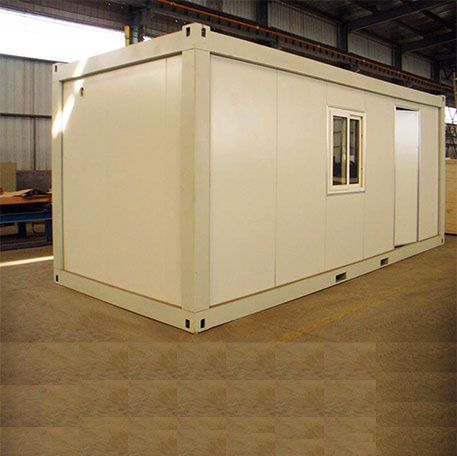
Modular construction is similar to assembling a large structure from prefabricated components. In Gaza, healthcare buildings can be constructed using insulated panels and lightweight frames. 

Notable features of modular healthcare infrastructure:

  • Factory-built components
  • Insulated panel systems
  • Lightweight, durable frames
  • Compact flatpack design
  • Rapid site assembly
  • Pre-engineered elements

This approach is especially beneficial when access routes are subject to security challenges. Upon arrival at the site, these already-engineered parts are assembled quickly.

The Advantage of Speed in Deployment

Traditional building projects typically take longer, while modular solutions significantly reduce timelines. Moreover, factory production is conducted simultaneously with site preparation.

Advantages of modular healthcare construction:

  • Quick deployment time
  • Parallel production process
  • Weeks, not months
  • Immediate operational readiness
  • Reduced construction delays
  • Efficient site preparation

In Gaza, where access to medical treatment is crucial, this short timeframe is highly valuable. Furthermore, emergency personnel can easily set up clinics as diagnostic units.

Achieving Infrastructure for Future Needs

If healthcare demand increases, new modules can be incorporated into the existing structure. It could mean adding more areas for patient care, labs, and administrative functions. 

Modular construction facilitates healthcare requirement change because:

  • Easy capacity expansion.
  • Additional module integration.
  • Flexible reconfiguration options.
  • Standardized component connections.
  • Long-term adaptability.
  • Relocatable structural sections.

These designs can also be reconfigured if priorities change over time. Additionally, flatpack modular structures rely on standardized parts that join smoothly.

Ensuring Reasonable Pricing

Modular construction is cost-effective and ideal for regions with limited funding. Manufacturing in factories reduces waste by ensuring greater precision. It also reduces labor costs by moving a large portion of the tasks off-site. 

How flatpack modular buildings save resources:

  • Reduced material waste.
  • Lower labor costs.
  • Energy-efficient materials.
  • Decreased operational expenses.
  • Budget stretching potential.
  • Multiple facility support.

These energy-efficient products can further reduce the long-term operational costs. It also allows the company to use resources across multiple buildings.

Incorporating Sustainable Practices

Factory processes reduce excess material use and enable the reuse of many elements. In Gaza, resource conservation aligns with humanitarian objectives to protect local resources. 

Incorporate the following sustainable practices with flatpack modular buildings:

  • Minimal material waste.
  • Recyclable building components.
  • Environmentally responsible insulation.
  • Resource conservation focus.
  • Healthy indoor quality.
  • Resilient long-term infrastructure.

Flatpack systems include sustainable insulation that helps maintain comfort and promote indoor air quality. This method helps create a durable infrastructure capable of withstanding extreme conditions.

Practical Applications in Gaza’s Healthcare

Primary care clinics can be placed in areas lacking services. Moreover, these are equipped with consultation rooms and record-keeping zones. In this way, they can focus on routine healthcare and the management of existing conditions.

Flexible applications of modular healthcare construction:

  • Primary care clinics.
  • Rapid field hospitals.
  • Consultation room setup.
  • Surgical capability integration.
  • Isolation zone provision.
  • Targeted local customization.

In response to emergencies, flatpack design enables the swift setup of field hospitals.

Integrating Modern Technology

Modular systems can be adapted to modern technology from the start. Solar power systems can provide independent power and are particularly useful in areas with less reliable grid service. 

The different modern technologies in modular healthcare construction are listed below:

  • Solar power systems.
  • Independent electricity supply.
  • Telemedicine digital support.
  • Electronic record management.
  • Service continuity assurance.
  • Enhanced care efficiency.

Digital infrastructure enables telemedicine consultations and electronic patient records, helping maintain continuous service. The integration of systems ensures that healthcare delivery aligns with modern technological advances. This increases efficiency and improves the quality of patient care, even in complex settings.

Modular Healthcare Construction With A Notable Company

When evaluating advanced modular health initiatives, contact healthcare providers for valuable guidance. TSSC Group offers prefabricated and flatpack products designed to ensure top-quality construction. 

  • Prefabricated solution range.
  • Flatpack construction expertise.
  • High-quality, durable builds.
  • Timely project delivery.
  • Scalable healthcare support.
  • Professional manufacturer guidance.

TSSC Group’s dedication to quality supports hospital restoration efforts in Gaza. It is worth taking the time to review their services. In this way, you can align your work with scalable, adaptable expert methods.

Conclusion

Rebuilding in Gaza through modular healthcare construction is the most efficient approach. These buildings enable rapid service expansion and support underserved populations. Moreover, it provides a solid basis for long-term accessibility to healthcare. Thus, visit TSSC Group to explore its healthcare construction services.

FAQs


What factors make modular construction quicker than traditional approaches?

The following factors make modular construction comparatively faster than conventional approaches.

  • Reduces time-to-market.
  • Allows large-scale production.
  • Enables simultaneous site preparation.


How can scalability be achieved in a flatpack modular building?

The ability to scale allows additional modules to be added. It makes expansion and adaptation easier.


Do modular healthcare facilities offer cost benefits?

The various benefits of modular health facilities are given below.

  • Increase production efficiency.
  • Reducing wastes.
  • Reduce on-site labor.


What is the best way to use modular structures?

Begin by contacting specialized suppliers of prefabricated equipment. You need to discuss customization options for your project and site conditions.